Answering the common buyer question: which self-stick foam/foil duct insulation options deliver reliable, easy-to-install results for HVAC or duct projects? This guide highlights five accessible products that combine foam insulation with a foil or reflective layer, designed for quick peel-and-stick application. They’re best for homeowners, DIYers, and small contractors seeking simple, mess-free installation and solid energy-saving performance. Below you’ll find a quick product snapshot, followed by detailed comparisons and a practical buying guide.
| Product | Best For | Key Benefit | Notes |
|---|---|---|---|
| Frost King FV516 Duct Insulation & Tape | Small projects, tight spaces | Self-adhesive, compact roll | 1 1/8″ x 15 ft; simple tape combination |
| BXI Insulation Foam Roll | All-year insulation, long-term use | Multi-layer, reflective foil, self-adhesive | 78″ x 13″ x 0.4″; robust for pipes and panels |
| DEMEDO Double Bubble 6 Inch | Larger ducts, higher clearance | Double bubble for better heat retention | 6″ x 16.5 ft; versatile for hoses and ducts |
| Frienda 2 Rolls Duct Insulation Wrap | Budget packs, broad coverage | Two rolls, wide coverage; self-adhesive | 12″ x 360″ x 1/8″; aluminum foil layer included |
| uxcell Insulation Sheet | Rigid panels, custom cuts | Self-adhesive embossed aluminum foil with rubber foam | 3 m x 0.5 m x 5 mm |
Frost King FV516 Duct Insulation & Tape
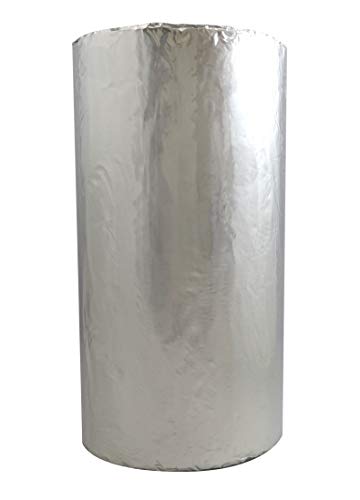
The Frost King FV516 combines self-adhesive insulation with a simple tape-off design in a compact roll. Best for small ducts, outlets, or space-constrained sections where a quick peel-and-stick is advantageous. The self-adhesive backing supports fast, clean installation on smooth duct surfaces. A single roll can simplify short duct repairs or retrofits for minor energy improvements.
- Best for: tight spaces, small repairs, hobby projects
- Why selected: straightforward application and minimal setup
Caution: The narrow width may not cover larger pipes in a single pass; plan for multiple strips if needed.
BXI Insulation Foam Roll

This 13 x 78 x 0.4-inch foam panel features a reflective aluminum foil surface and a self-adhesive backing, offering a durable solution for HVAC pipes, garage doors, or basement ducts. The multi-layer structure provides effective heat reflectivity and moisture resistance, with closed-cell foam that minimizes air leakage and sound transmission. It’s well-suited for installations requiring year-round insulation and a more substantial barrier than basic foams.
- Best for: all-year insulation, long-term installations
- Why selected: robust, multi-layer design reduces heat transfer
Limitation: Larger sheets may require careful handling and cutting during fitment around irregular duct shapes.
DEMEDO Double Bubble 6 Inch

The 6-inch double-bubble insulation wrap provides thicker coverage for larger ducts or HVAC hoses. The double bubble design helps reduce heat loss and protects pipes from radiant heat. Its self-adhesive backing simplifies installation, enabling a one-person wrap without extra glue. A practical choice when you need higher insulation performance and more surface area per wrap.
- Best for: larger ducts, higher heat load areas
- Why selected: superior insulation thickness and ease of use
Caution: The broader width may require more overlap management to avoid gaps at joints.
Frienda Two Rolls Duct Insulation Wrap

Frienda provides two long rolls, offering broad coverage for HVAC piping and ductwork. The thick aluminum foil layer paired with foam backing supports heat resistance and sound insulation, suitable for both indoor and outdoor insulation tasks. The self-adhesive backing simplifies installation on smooth surfaces and can be used across a variety of indoor or outdoor insulation scenarios.
- Best for: generous coverage needs, DIY projects
- Why selected: value package with ample material for multiple runs
Limitation: Handling two rolls can be less convenient for tight corners or short sections; plan for trimming as required.
uxcell Insulation Sheet

uxcell offers a self-adhesive insulation sheet combining rubber foam with embossed aluminum foil. This combination delivers heat resistance, moisture protection, and a flexible sheet suitable for roofs, walls, ducts, pipes, and HVAC components. The closed-cell foam provides a waterproof barrier and helps reduce vibration and noise in duct runs.
- Best for: custom-cut panels, irregular shapes
- Why selected: versatile sheet-form insulation for unique duct layouts
Limitation: The sheet format requires cutting and fitting, which may increase install time compared to roll-style products.
Buying Guide: Key Considerations For Self-Stick Foam/Foil Duct Insulation
What insulation type fits your project?
Foam-on-foil constructions offer a balance of flexibility, moisture resistance, and reflective properties. For small, tight spaces, rolls like Frost King FV516 can be easiest to maneuver. For larger ducts or higher heat environments, thicker double-bubble or multi-layer panels (like DEMEDO or BXI) deliver stronger performance.
Thickness, width, and coverage
Measure duct diameter and circumference to determine how many strips or sheets are needed. Thicker layers provide better thermal resistance but can be bulkier to handle. Consider overlaps and sealant needs to ensure continuous insulation.
Adhesive strength and surface compatibility
Self-adhesive backing improves installation speed but requires clean, dry surfaces. Some surfaces may require light scuffing or primers in high-temperature environments. For outdoor installations, choose moisture-resistant and UV-stable options.
Temperature tolerance and fire safety
Check operating temperature ranges to ensure the product handles your climate. Some products advertise fire-retardant properties or Class A fire ratings, which can be important for safety in certain spaces like attics or garages.
Durability and moisture management
Foam and foil layers should resist moisture for long-term use in basements, garages, or crawlspaces. Multi-layer designs with aluminum foil help reflect radiant heat and reduce condensation risk on metal ducts.
Installation considerations
Peel-and-stick is convenient but may be hindered by dirty or textured surfaces. Plan for trimming, overlaps, and potential seams at elbows or joints. For irregular ducts, sheet-form insulation can offer a better fit with careful cutting.
Cost and value
Compare per-square-foot costs and total material coverage. Bundled rolls or multi-roll packs often provide better value for larger projects, while compact rolls are ideal for quick repairs or small sections.
Frequently Asked Questions
- Can these self-stick insulations be used on metal ducts? Yes, most self-stick foam/foil products are designed for metal and plastic duct surfaces, provided the surfaces are clean and smooth.
- Do I need additional adhesive or tape with peel-and-stick insulation? In most cases, the self-adhesive backing is sufficient, but you may add compatible sealant for joints or outdoor applications.
- Are there limitations for use in extreme temperatures? Some products have higher temperature tolerances than others. Check the specified operating range to ensure suitability for your environment.
- Is thicker insulation always better? Thicker insulation provides greater thermal resistance but may be harder to fit in tight spaces. Choose based on the duct size and climate.
- How do I cut self-stick insulation to fit irregular ducts? Use a sharp utility knife or scissors for clean cuts, and test-fit pieces before final adhesion to minimize gaps.
- Which product is best for DIY beginners? A compact roll like Frost King FV516 offers straightforward installation for simple projects and small sections.