Answering the common search for the right mini split size, this guide highlights 15,000 BTU options and closely related units that fit mid-sized spaces. Ideal buyers include small homes, bedrooms, living rooms, or light commercial areas needing efficient heating and cooling. The top picks balance capacity, efficiency, and ease of installation. The quick reference table below helps you compare key details at a glance.
| Product | Approximate Coverage | Best For | Notable Benefit |
|---|---|---|---|
| Senville AURA Series 15,000 BTU | Residential/Light Commercial | Mid-sized rooms, apartments | Alexa integration and energy efficiency |
| GarveeHome 18,000 BTU | Up to about 1,250 sq. ft. | Open living spaces | Multiple modes and quiet operation |
| Albott 12,000 BTU | Up to 750 sq. ft. | Smaller rooms | DIY-friendly installation |
| Albott 24,000 BTU | Up to 1,550 sq. ft. | Large rooms | High capacity for bigger spaces |
| YITAHOME 18,000 BTU | Up to 1,250 sq. ft. | Living rooms, garages | HEALTH mode and low noise |
Senville AURA Series Mini Split – 15,000 BTU
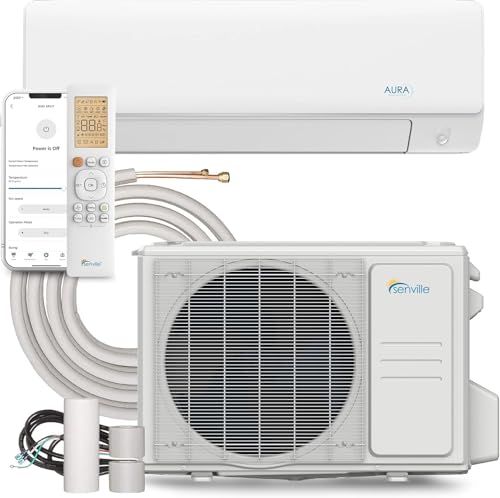
This 15,000 BTU inverter mini split is designed for moderate spaces such as living rooms or large bedrooms. It supports Alexa integration, enabling voice or app control for temperature adjustments and schedules. Its energy-efficient DC inverter helps reduce consumption while maintaining reliable heating and cooling, with operation tolerance to very low temperatures. Best for: homes or small offices seeking smart control and robust year-round comfort. Caution: verify electrical requirements and space for proper outdoor and indoor unit clearance.
GarveeHome 18,000 BTU Mini Split
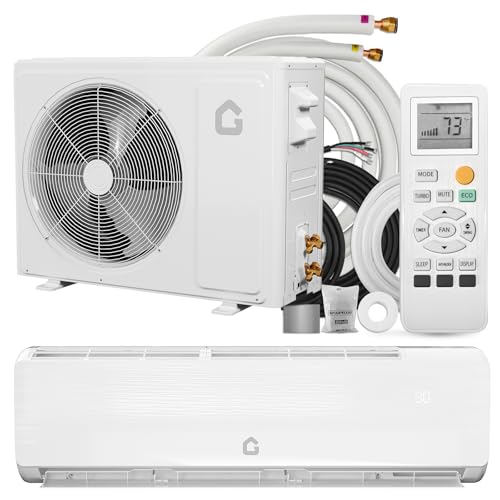
This 18,000 BTU system is suited for spaces up to roughly 1,250 sq. ft., offering five operating modes and automatic features like defrosting and self-diagnosis. It’s a strong option for larger living areas, basements, or small commercial settings. Best for: medium-to-large rooms needing versatile climate control with quiet operation. Limitation: higher BTU may exceed needs for smaller rooms, potentially increasing upfront and running costs if not sized properly.
Albott 12,000 BTU Mini Split – DIY Ready

The 12,000 BTU Albott unit covers up to 750 sq. ft. and emphasizes a DIY-friendly installation with pre-wired indoor components. It combines cooling, heating, dehumidifying, and fan modes with a SEER2 18 rating for efficiency. Best for: homeowners who want a budget-friendly, straightforward install for medium spaces. Caution: 12,000 BTU may be underpowered for very bright-open layouts or unusually hot climates.
Albott 24,000 BTU Mini Split – High Capacity
This 24,000 BTU system is designed for larger spaces up to 1,550 sq. ft. It provides strong airflow and efficient performance with an inverter heat pump. Best for: bigger living areas, open-plan spaces, or small commercial zones needing robust climate control. Limitation: higher capacity may not be necessary in smaller rooms, potentially leading to more energy use if misapplied.
YITAHOME 18,000 BTU Mini Split

The 18,000 BTU YITAHOME unit covers up to about 1,250 sq. ft. and includes a 3-level Eco mode along with a health-focused mode for air quality benefits. It’s best for: living rooms or garages needing simultaneous heating and cooling with quiet operation. Caution: Eco and health features may add cost; verify if these modes align with your needs.
Senville LETO Series 12,000 BTU
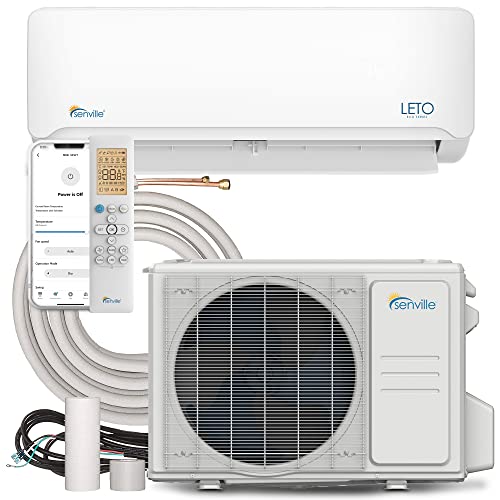
While 12,000 BTU, this unit offers inverter efficiency and Alexa compatibility, suitable for smaller rooms or as a supplementary unit in larger spaces. Best for: compact bedrooms or sunrooms where modest cooling is sufficient. Limitation: won’t handle larger, open-plan areas as effectively as 15,000 BTU units.
Buying Guide: Key Considerations for 15,000 BTU Mini Splits
- Space size and layout: Calculate square footage and ceiling height. A 15,000 BTU unit generally suitable for 600–1,000 sq. ft. spaces; larger or open-concept rooms may benefit from higher capacity (18,000–24,000 BTU).
- Climate and heating needs: If you require heating in colder winters, choose a unit rated to operate efficiently at low outdoor temperatures (look for low-temperature performance specs and AHRI certification).
- Energy efficiency: Look for inverter technology (DC Inverter) and SEER ratings. Higher efficiency reduces operating costs over time.
- Installation considerations: Indoor and outdoor unit placement, required clearances, and whether a DIY or professional installation is preferable. Some units offer DIY-friendly features.
- Smart features and control: Alexa or app integration can improve convenience and energy management; ensure compatibility with your home ecosystem.
- Noise level: If the space is a bedroom or quiet living area, check decibel ratings. Many models operate quietly at 28–42 dB in cooling/heating modes.
- Maintenance and filtration: Dehumidification modes and air-quality features help with year-round comfort; look for self-cleaning or auto defrost features for reliability.
Frequently Asked Questions
- What size mini split do I need for 900 square feet?
Typically a 12,000–18,000 BTU unit is suitable depending on climate, ceiling height, and insulation. - Is a 15,000 BTU mini split enough for a 1,000–1,200 sq ft area?
Often yes in moderate climates; in hot climates or open layouts, consider 18,000 BTU for better performance. - Do all 15,000 BTU units support heating?
Most do via inverter heat pumps, but check rated operating temperatures for very cold conditions. - Can I install a mini split myself?
Some models offer DIY installation with pre-wired indoor units, but refrigerant handling may require professional service. - Are smart-enabled mini splits worth it?
Smart features provide convenient control and potential energy savings when used with routines and schedules. - What should I avoid when choosing a unit?
Avoid over-sizing for a small room; oversized units cycle too quickly, reducing humidity control and comfort.