Answer: These 16″ insulated flexible ducts are designed to improve airflow and energy efficiency in heating and cooling systems. They’re best for homeowners upgrading existing runs, contractors completing new installations, and DIYers handling residential HVAC projects. The top five options below balance insulation, ease of installation, and compatibility with standard HVAC components. Use the quick reference table to compare core specs and intended use at a glance.
| Product | Size | Insulation | Best For |
|---|---|---|---|
| 16″ x 25-Ft Insulated Flexible Round Flex Duct Tube R6 Heating/AC | 16″ x 25 ft | R6 | Residential upgrades, return/supply runs |
| 16″ Silver Flex JPL Insulated Flexible Duct R6 25′ FEET | 16″ x 25 ft | R6 | Budget-friendly installs, standard residential systems |
| HVAC Insulated Flex Ductwork – 16″ x 25 Ft R6 | 16″ x 25 ft | R6 | Versatile for supply/return air |
| Damyprd 16″ x 25-Ft Replacement Compatible Insulated Flexible Duct R6 HVAC | 16″ x 25 ft | R6 | Replacement projects, lightweight handling |
| 16-in x 25-Ft Insulated Flexible Round Flex Duct Tube R6 Heating/AC Black Vent | 16″ x 25 ft | R6 | Black-vent aesthetic, Quietflex OEM replacement style |
16″ x 25-Ft Insulated Flexible Round Duct – Quietflex Style (Round, R6)

This LLPParts round flexible duct uses a 16-inch diameter with R6 insulation, designed for both heating and cooling applications. Its round format helps reduce air resistance in long runs, and it is marketed for fast local delivery in multiple states. Best for: homeowners upgrading ducts in existing systems, and installers needing a standard round duct option that fits common collars and registers. Limitation: marketing notes emphasize delivery service rather than technical specs; verify seam integrity and compatibility with your existing hardware before purchase.
16″ Silver Flex JPL Insulated Duct – R6, 25′

This product offers an economical, silver-insulated flexible duct with an R6 rating and 25-foot length. It’s suitable for standard residential HVAC installations and convenient for brief runs where flexibility matters. Best for: budget-conscious projects that require ease of routing around obstacles. Caution: confirm the duct’s compatibility with your system’s connectors and clamps, as some installations require specific fittings.
HVAC Insulated Flex Ductwork – 16″ x 25 Ft R6
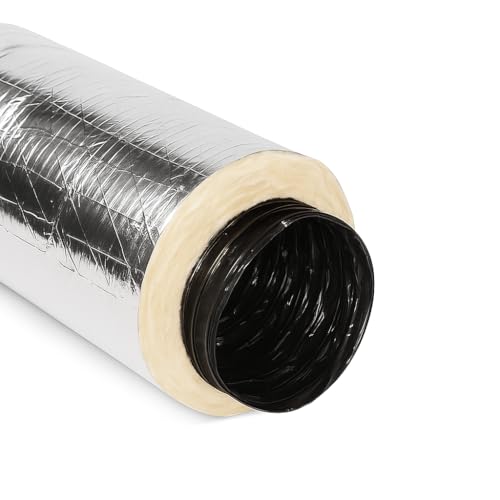
This option features a durable aluminum inner core wrapped with thick insulation and protective outer jacket. It’s designed for maximum efficiency and is compatible with standard residential heating and cooling systems for both supply and return air. Best for: installations needing a robust core and broad compatibility. Limitation: aluminum inner cores can be stiffer than some fully flexible versions, which may affect routing in tight spaces.
Damyprd 16″ x 25-Ft Insulated Replacement Duct
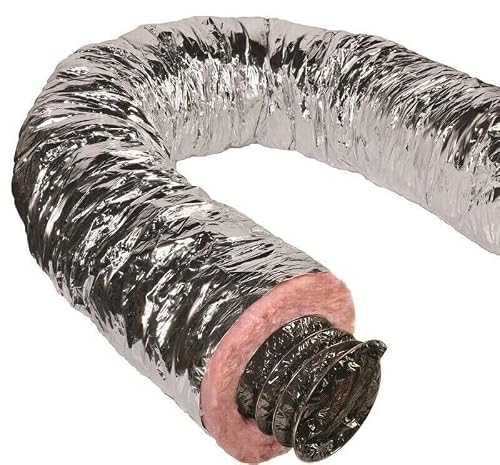
Replacement flexible duct designed for standard HVAC systems with an R6 insulated core. It’s lightweight and easy to handle, suitable for residential and commercial ventilation projects. Best for: quick replacements where weight and portability matter. Caution: confirm size and length before purchase to ensure a proper fit with existing connectors and terminations.
16-Inch Black Vent Round Duct – Quietflex Style, 25 Ft

Black-vent variant matching Quietflex OEM styling with a 16-inch diameter and 25-foot length. Best for: projects where aesthetics or replacement compatibility with Quietflex components matter. Limitation: appearance-focused variants may not emphasize performance nuances; verify insulation rating and fit with existing hardware before committing.
Imperial 4026346 25 ft x 16 in R6 Silver Poly Duct

Imperial’s 25-foot, 16-inch duct uses a silver poly construction with an R6 insulation rating. It is cut-to-length and features an oversized core for a seamless fit on collars and register boxes. Best for: installations requiring precise length customization and easy jointing. Limitation: poly duct may be less flexible than fully insulated flexible alternatives in tight spaces; plan routing accordingly.
Buying Guide: Key Factors To Consider
What does R6 insulation mean for your system? R6 indicates the duct is rated to minimize heat transfer between supply air and surroundings, improving energy efficiency. Choose this rating for most residential HVAC runs where temperature stability matters. For tight spaces, consider flexibility and bending radii as well as the duct’s outer jacket material.
Compatibility matters. Verify that the duct’s inner core (aluminum vs poly) and diameter match your system’s collars, clamps, and registers. Round ducts often perform well in long, straight runs, while rectangular or flat variants may be easier to route in cramped ceilings or attics.
Installation ease. Lightweight ducts reduce labor intensity during replacement projects. If you or your installer lack tools for proper seaming and sealing, look for duct systems that support straightforward snap-on connectors and compatible clamps.
Durability vs. flexibility. Aluminum cores tend to be more rigid; poly cores can be more flexible but may require careful handling to avoid punctures. Consider where you’ll route the duct and how frequently the space will experience movement or vibrations.
Warranty and service. Some listings emphasize fast delivery and local service; confirm the actual warranty period and what it covers. A year-long warranty is typical for insulated flexible ducts in this category.
Frequently Asked Questions
- What does 16″ x 25 ft mean for duct size? It denotes a 16-inch diameter and a 25-foot length, standard for many residential ducts.
- Is R6 insulation necessary? R6 helps reduce heat loss and maintain airflow, improving efficiency in most homes.
- Can I mix duct brands? Yes, if the connections and diameters match, but use compatible clamps and sealants to prevent leaks.
- How do I know if a duct is suitable for return air? Check the product description for dual-use (supply and return) applications and ensure it suits your system’s airflow path.
- What installation challenges should I expect? Routing around obstacles, ensuring proper seals at joints, and avoiding sharp bends that create airflow resistance.
- Are black or silver ducts just cosmetic? Color is usually cosmetic; ensure insulation rating and material type meet your performance needs.