Direct answer: choose durable, weatherproof insulation sleeves or tapes designed for HVAC suction lines to prevent heat loss, condensation, and weather damage. This guide highlights five top options ideal for outdoor and indoor refrigerant lines, mini-splits, and central AC piping. Best for outdoor piping, long-term protection, and easy installation, these products suit homeowners, maintenance pros, and DIY enthusiasts seeking reliable insulation that lasts through seasons.
| Product | Best For | Why Selected |
|---|---|---|
| Nkiy Quen 5 Layers HVAC Copper Pipe Insulation Sleeve | Outdoor central AC piping and mini splits | Five-layer design with 600D Oxford exterior, pearl cotton core, and insulating foil provides UV, weather, and temperature protection. |
| Duck Brand Foam Pipe Covers | Indoor and outdoor cold/hot water pipes | Pre-slit, self-sealing edge for easy installation; good for preventing freezing and sweating on HVAC lines. |
| K-Flex USA 3/4″ Elastomeric Pipe Insulation | Residential and commercial piping | Durable elastomeric insulation with strong thermal resistance and broad sizing, suitable for many systems. |
| XFasten Foam Pipe Insulation Tape | Wraps, elbows, and hard-to-reach sections | High adhesion and low thermal conductivity for effective, flexible insulation around AC lines. |
| Huntoshon Pipe Insulation Tubing | General piping and HVAC units | EPDM foam with broad temperature tolerance and easy cut-to-fit installation. |
Nkiy Quen 5 Layers HVAC Copper Pipe Insulation Sleeve
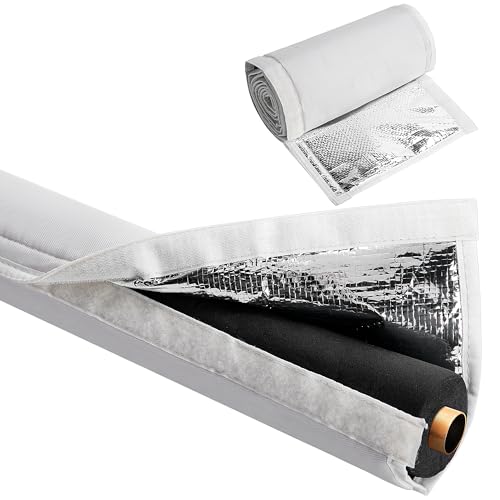
Best for outdoor copper lines and mini splits. Features a triple-layer outer waterproof fabric, thick pearl cotton core, and aluminum inner foil for robust outdoor protection. It resists sun damage and freezing temperatures, making it a long-lasting outdoor insulation option.
Who it’s best for: homeowners installing outdoor piping or central HVAC lines that face weather exposure. Why selected: its layered construction provides durable protection against UV, moisture, and cold snaps. Limitation: installation may require cutting to fit longer runs; check sleeve length against your pipe run.
Duck Brand Foam Pipe Covers

Best for indoor or sheltered areas where quick, easy installation matters. Pre-slit design with self-sealing edges makes it simple to fit around curved pipes and taps, reducing labor time.
Who it’s best for: DIYers and techs needing a fast, tool-free solution for temperatures up to 212 F. Why selected: straightforward installation and good frost protection for indoor and relatively protected outdoor runs. Limitation: may be less durable in harsh outdoor weather over long periods.
K-FLEX USA 3/4″ Elastomeric Pipe Insulation
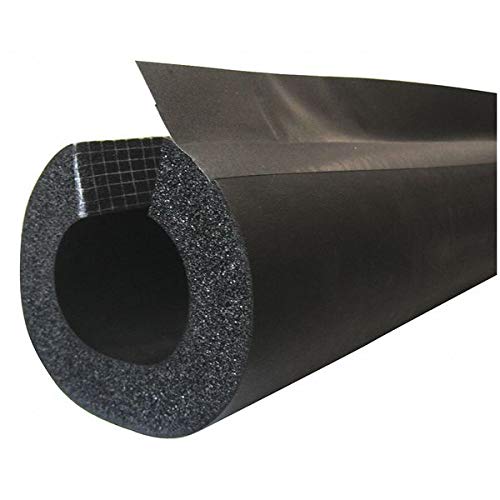
Best for versatile residential and commercial piping that requires a long, durable sleeve. The elastomeric material provides strong thermal resistance and wear protection, suitable for varied HVAC runs.
Who it’s best for: installations needing a rugged, reusable insulation solution. Why selected: brand reliability and broad compatibility. Limitation: may require precise cutting and joining for longer projects.
XFasten Foam Pipe Insulation Tape

Best for precision winding, corners, and wraps where traditional sleeves don’t fit. The tape offers extreme adhesion and a low thermal conductivity, helping prevent energy loss around a variety of lines.
Who it’s best for: users needing flexible, weather-resistant taping to seal irregular routes. Why selected: strong adhesive performance and long-lasting insulation protection. Limitation: possible buildup of seams if not overlapped correctly.
Huntoshon Pipe Insulation Tubing

Best for general pipe insulation needs across HVAC and water lines. EPDM-based foam provides fire resistance, broad temperature tolerance, and easy cut-to-fit installation.
Who it’s best for: those seeking a flexible, economical solution for diverse piping systems. Why selected: broad temperature range and easy customization. Limitation: may not offer the same UV resistance as outdoor-specific sleeves in very sunny exposures.
Buying Guide: Key Considerations
What material best suits outdoor vs. indoor use?
Outdoor needs weather resistance, UV stability, and moisture protection. Look for sleeves with waterproof fabrics, foil layers, and robust outer shells. Indoor needs focus on easy installation and moisture control, often using foam tubes or tapes.
How do I size and fit insulation on suction lines?
Measure pipe diameter and length. Choose sleeves or wraps that match the outer diameter and come in sufficient length or are cuttable. Flexible materials and adjustable buckles ease fit on curved or irregular runs.
Is adhesion important for in-place insulation?
Yes. For tapes and self-sealing covers, strong adhesion prevents gaps that can cause energy loss or condensation. Ensure the tape tolerates outdoor temperatures and humidity.
What is the best option for DIY installation?
Pre-slit foam covers and self-sealing edge products simplify installation without specialized tools. For longer runs, consider modular sleeves that can be joined easily.
What about fire resistance and safety?
Some insulation foams and tapes offer higher temperature tolerance and fire resistance. Check product specs if the piping is near heat sources or requires compliance with local codes.
Maintenance and longevity considerations
Durable outer fabrics and foil layers extend life in sun and wet conditions. Replacing worn sections before a leak or failure occurs preserves energy efficiency and avoids condensation issues.
FAQ
- What is the purpose of insulation on AC suction lines?
To minimize heat loss, reduce condensation, prevent freezing in cold weather, and protect pipes from weather damage.
- Can I use regular pipe insulation on outdoor lines?
Outdoor lines benefit from weatherproof sleeves or wraps with UV resistance and waterproof layers to withstand sun and rain.
- How do I choose the right size insulation?
Match the pipe outer diameter and overall length. If in doubt, select a longer sleeve or wrap with an adjustable fit.
- Is it better to use foam or foil-backed insulation for AC lines?
Foam provides easy installation and good thermal resistance; foil-backed options add reflective protection for outdoor exposure.
- Do insulation products need professional installation?
Many products are DIY-friendly, especially pre-slit foam covers and adhesive tapes, but complex installations on large systems may benefit from professional help.