Looking to cut drafts and improve comfort around window air conditioners? This guide identifies the best insulation foam pads and strips to seal gaps, reduce noise, and boost energy efficiency. The top picks are suitable for various window styles and unit types, from standard rectangular ACs to U-shaped installations. Each product highlights who it’s best for and why it was selected, plus practical cautions. A quick summary table follows to help you compare at a glance.
| Product | Best For | Key Benefit |
|---|---|---|
| THERMWELL Frost King AC43H | Standard window ACs | Weather-sealing around the unit |
| Breeze Stop Surround Panels | Winter and summer insulation | Thick 1″ foam with vinyl cover |
| Yotache Open Cell Foam Strip | Non-adhesive, flexible sealing | All-season performance, easy top-off |
| KZTRQAML Foam Block Kit | U-shaped units | Versatile block and pad combination |
| M-D Building 02006 Foam Seal | Small gaps and drafts | Tight insulating fit, year-round use |
THERMWELL Frost King AC43H Weatherseal Tape
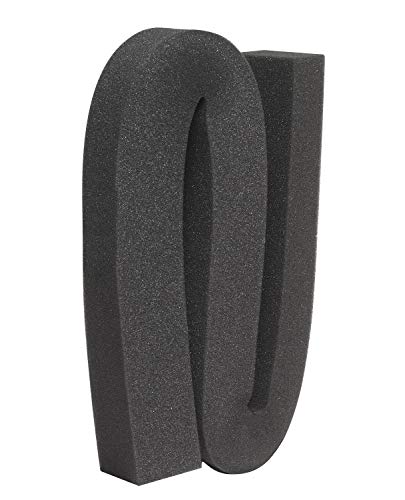
This open cell foam tape is designed for weather-stripping around window air conditioners. It’s resilient and compressible to seal out air, insects, and dust. Best for standard window units that need a simple, effective draft barrier. The product helps reduce drafts around the AC opening and is suited for buyers seeking an easy-to-install weather seal without heavy extra parts. A potential limitation is that the tape’s performance depends on the window frame condition and may require careful alignment for best results.
Breeze Stop Surround Insulation Panels
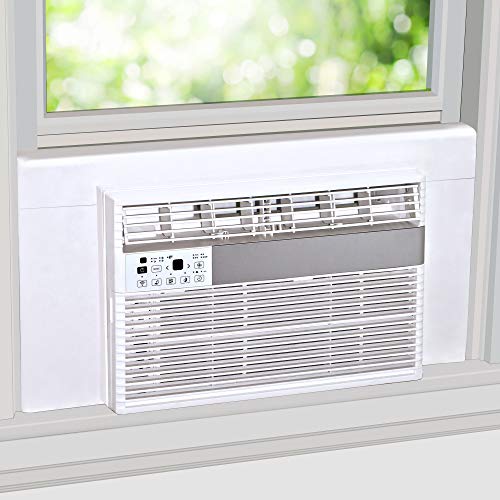
White insulating foam panels covered with vinyl are designed to fit windows up to 36 inches wide. They cover the existing pull-out plastic sides that come with many window AC units. Best for buyers who want a heavy-duty interior cover to reduce both winter heat loss and summer heat gain. The panels must be cut to size with scissors, and they do not replace the window’s existing side pieces. Consider trimming accuracy to ensure a snug fit for maximum efficiency.
Yotache Open Cell Foam Seal Strip

This non-adhesive, open-cell foam strip is made from NBR+PVC. It’s soft, non-toxic, and offers weather resistance with good heat insulation and sound absorption. It’s suitable for top-of-unit use and lower-window sealing to compress the seal for best insulation. Best for users who prefer a flexible, adhesive-free option that can be repositioned or adapted to various window gaps, but it requires careful placement for a lasting seal.
KZTRQAML Foam Block Window Seal Kit

Designed for U-shaped air conditioners, this kit includes foam blocks and pads with a sealing function to block hot and cold air. Best for U-shaped units or windows with lip structures. It’s a practical choice when you need a more thorough barrier than a single strip. A limitation is that compatibility depends on window sill height and unit design; check fit before purchasing.
M-D Building Products 02006 Foam Seal Strip
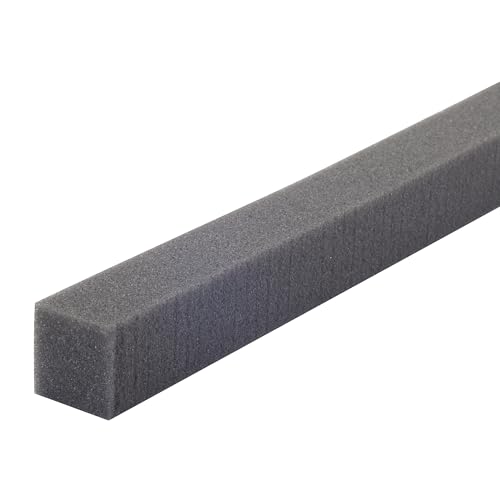
This gray foam seal strip is designed as a window AC seal to create a tight barrier around units. It helps reduce drafts and improve year-round climate control. Best for buyers needing a compact, adhesive foam strip that fits gaps up to about 1-1/4 inches thick. Choose this if your window gap is small and you want a straightforward, pre-cut solution.
Buying Guide
What to consider when choosing air conditioner insulation foam pads
- Window type and unit shape: Standard rectangular units differ from U-shaped or lip-window designs; select products that fit your model.
- Adhesive vs. non-adhesive: Adhesive strips are quick to install but may be harder to reposition. Non-adhesive options can be adjusted for a better seal.
- Thickness and coverage: Thicker foam blocks or panels provide stronger insulation but may require trimming for a proper fit.
- Durability and temperature range: Look for closed-cell or open-cell foams with good temperature tolerance and wear resistance.
- Installation effort: Some products require cutting or assembly; consider your DIY comfort level and tools available.
- Airflow and noise: Dense foam helps reduce drafts and can lower vibration noise from outside, improving comfort.
What to avoid or watch for
- Avoid choosing panels that do not account for existing side pieces of your AC unit, which can create gaps.
- Avoid adhesive strips if you anticipate moving or reusing the unit seasonally; non-adhesive options may offer flexibility.
- Be mindful of over-sealing; overly tight seals can trap moisture or affect unit performance if airflow is restricted.
How to measure and prepare
- Measure window width, sill height, and the space around the AC unit to determine the number and size of foam pieces needed.
- Check for any uneven edges or cracked window frames; trim foam pieces to fit snugly without compressing excessively.
- Clean surfaces before applying adhesive-backed strips to ensure good bonding.
FAQ
- Q: Do foam insulation pads affect AC efficiency? A: Properly fitted foam pads reduce drafts and can improve perceived cooling efficiency by minimizing cool air loss and warm air intrusion.
- Q: Can I use these products with all window types? A: Compatibility depends on window style and unit shape; review product descriptions for fit notes.
- Q: Are these materials safe for indoor use? A: Most foams listed are non-toxic and designed for home use; verify material specs if you have sensitivities.
- Q: How should I install non-adhesive foam strips? A: Place the strip on top of the unit and press down along the window to compress the seal for best insulation.
- Q: Do I need to replace these every season? A: Replacement frequency depends on wear, window movement, and climate; inspect seals annually and refresh as needed.