If you’re seeking a simple way to even out temperatures and push conditioned air to hard-to-reach spaces, an air flow booster fan is a smart choice. These units fit 4×10 or 6×10 register openings and work with existing HVAC systems to boost airflow, boost comfort, and save energy. This guide focuses on five reliable options for American homes, including quiet operation, smart controls, and easy installation. Ideal buyers include multi-room households, people with upstairs temperature issues, nurseries, and home offices needing steadier climate control.
Summary table of selected products:
| Product | Best For | Key Benefit |
|---|---|---|
| Orabriz AC Vent Booster Fan | Small rooms and offices | Quiet, 10 speeds with thermostat and aroma pad slot |
| VIVOHOME Register Booster Fan | Energy-conscious homes | EC motor, ultra-quiet, auto temp control |
| Hisummer Register Booster Fan | Upstairs bedrooms and nurseries | High airflow, very quiet in Sleep Mode |
| Howeall Smart Register Fan | Smart-home setups | Dual control: button and Wi-Fi app |
| BIOWIND Quiet Register Booster | Balanced temperatures | LED temp control, low noise |
Orabriz AC Vent Booster Fan 4″ x 10″ – Quiet & Thermostat
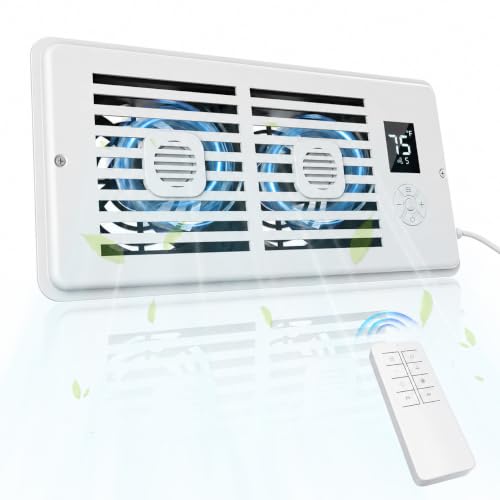
Best for small-to-mid rooms where you want adjustable airflow without sacrificing quiet operation. Features include a 10-speed range, a built-in thermostat, remote control, and an LCD display to monitor settings. An aroma pad slot lets you add essential oils for a more relaxing environment. This booster is suitable for floor, wall, or ceiling registers, provided you verify the opening size before purchase.
Who it’s best for: small apartments, home offices, or bedrooms needing more even cooling without loud noise. Why selected: compact size and versatile placement make it a flexible first choice for uneven airflow. Caution: ensure the register opening matches the 4″x10″ specification to avoid fit issues.
VIVOHOME Register Booster Fan – 4” x 10”

Better for energy-conscious homes due to the EC motor and auto temperature control. Works with floor, wall, or ceiling vents and offers a high airflow up to 120 CFM with a near-silent operation below 18 dB. The built-in thermostat automatically adjusts fan activity based on preset settings, helping maintain comfort without manual intervention.
Who it’s best for: households seeking a balance of strong airflow and hands-off temperature management. Why selected: strong, quiet performance and automatic temperature-based operation. Caution: confirm your vent opening length and width meet the 4×10 inch specification before buying.
Hisummer Register Booster Fan – 4×10
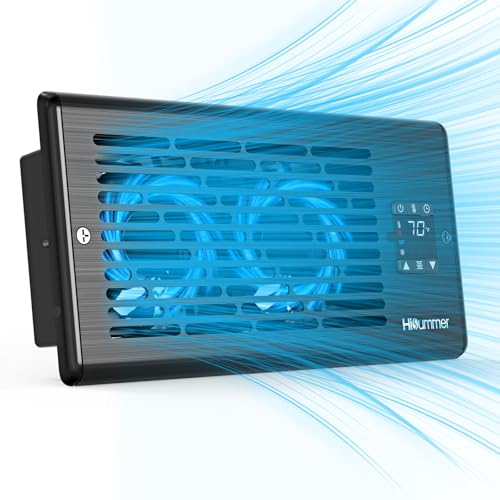
Best for upstairs comfort, especially bedrooms and nurseries, with up to 150 CFM and a precision-angled air-guide grille to reduce backflow. It provides very low noise operation (as low as ~17 dB in Sleep Mode) thanks to a three-part quieting system, including a PWM motor and balanced blades. It also features smart temperature sensing to auto-adjust speed based on ambient conditions.
Who it’s best for: families prioritizing quiet sleep and steady upstairs airflow. Why selected: the sleep-friendly noise level and automatic temperature response improve night-time comfort. Caution: performance depends on proper alignment with a 4″ x 10″ opening and accurate thermostat placement.
Howeall Smart Register Booster Fan – 4×10

Ideal for tech-forward homes that want dual control. This model supports button-based operation and a Wi-Fi app for remote control, letting you adjust settings from anywhere. The upgrade emphasizes intelligent programming to monitor temperature and adjust speeds automatically, saving energy without manual tweaks.
Who it’s best for: households embracing smart home devices and remote control. Why selected: convenient app-based control plus automatic scheduling. Caution: ensure your home network supports the app’s requirements for reliable operation.
BIOWIND Quiet Register Booster – 6×10

Best for larger openings or rooms needing stronger airflow with quieter operation. This model features a 10-speed setup, a programmable LED controller, and a high-precision temperature sensor that coordinates with your HVAC system to deliver air when it’s most needed. The streamlined aluminum frame offers a sleek look that blends with decor.
Who it’s best for: homes with larger 6×10 vents or where persistent temperature imbalance exists. Why selected: robust airflow control with quiet performance. Caution: verify the 6×10 opening compatibility with your register before purchase.
Buying Guide: How to Choose the Right Air Flow Booster Fan
- Vent size compatibility: Most boosters fit 4×10 or 6×10 openings. Measure length, width, and depth of your vent opening to avoid mismatches.
- Noise and comfort: If sound matters, look for models with dBA ratings under 20 and quieting features like PWM motors or dual bearings.
- Control options: Choose between manual controls, thermostats, and smart apps. Smart controls help automate operation and energy savings.
- Airflow needs: Assess desired CFM (cubic feet per minute). Higher CFM adds stronger airflow but may increase energy use and noise.
- Installation versatility: Some units are designed for floor, wall, or ceiling mounts. Verify your preferred mounting option and available power outlet.
- Temperature integration: Thermostats and temperature sensors help match fan speed to heating or cooling cycles for balanced rooms.
- Maintenance: Look for easy access for filter or aroma pad replacement, and consider units with straightforward cleaning procedures.
Frequently Asked Questions
- What is an air flow booster fan used for? It improves distribution of conditioned air from your HVAC system, reducing hot or cold spots in rooms.
- Will a booster fan save energy? Yes, by improving air distribution, you may achieve comfort at lower thermostat settings, potentially saving energy.
- Are these fans loud? Many models are engineered for quiet operation, especially those with EC or PWM motors and balanced blades.
- Do boosters require professional installation? Most are designed for DIY installation, but verify mounting options and electrical access for your setup.
- Can booster fans work with smart home systems? Some models offer Wi-Fi or Bluetooth app control, enabling remote management and automation.
- Which size should I buy? Confirm your vent opening size (4×10 or 6×10) and choose a model rated to fit that opening with the correct depth.