Answering the common buyer question, these attic fan insulation covers reduce heat transfer, drafts, and noise while protecting your home’s comfort year-round. They’re best suited for homeowners with whole-house fans, uninsulated attics, or hot climates seeking improved energy efficiency. The top picks below balance fit, ease of installation, and effective insulation. A quick comparison table highlights each option’s size and key benefit.
| Product | Best For | Approximate Size | Key Benefit |
|---|---|---|---|
| MEPERPER Attic Fan Insulation Cover | Uninsulated attics; radiant heat reduction | Up to 38 x 46 in | Adhesive strips; aluminum foam core |
| UNIFAMILY Attic Fan Cover | Year-round energy savings | 51 x 51 in | Sticky hook-and-loop for easy install |
| Pearwow Attic Fan Insulation Cover | Customizable fit; large vents | 39 x 55 in | Three-layer insulation; Velcro straps |
| Battic Door Whole House Cover | Whole-house fan setups | Up to 36 x 48 in | Storm-window style seal; trim-to-fit |
| HFYZZ Attic Cover 51 x 51 in | All-year use; easy removal | 51 x 51 in | Two rolls of self-adhesive tape; multi-layer |
Attic Fan Insulation Cover: MEPERPER

Best for: Homes with uninsulated attic fans and a need to reduce radiant heat transfer. The MEPERPER cover uses aluminum foil foam insulation and a self-adhesive backing to seal gaps around the attic fan opening. It’s designed to resist extreme temperatures and dampen external noise, wind, and rain sounds from the roof. The cover is sized up to 38 x 46 inches, making it suitable for standard vent openings. A potential limitation: effectiveness can vary based on surface condition and proper placement of the adhesive strips.
Attic Door Insulation Cover: UNIFAMILY

Best for: Homeowners seeking year-round insulation that’s simple to install without tools. The UNIFAMILY cover is a larger 51 x 51 inch option that uses a high-quality aluminum foil foam insulation to reduce heat loss in winter and limit heat gain in summer. It includes sticky self-adhesive hook-and-loop tape for quick, exterior installation from outside the attic space. Caution: size is larger; ensure your vent opening can accommodate a 51 x 51 inch cover or be trimmed as needed.
Attic Door Insulation Cover: DOITOOL

Best for: Those wanting a cut-to-fit solution for medium to large vent openings. The DOITOOL cover measures up to 50.78 x 37.4 inches and comes with a self-adhesive strip for firm attachment without extra tools. It provides a three-layer insulation approach to protect against heat loss in winter and heat gain in summer. Limitation: the shape is rectangular, so non-rectangular vents may require careful trimming for a tight seal.
Attic Fan Insulation Cover: Pearwow
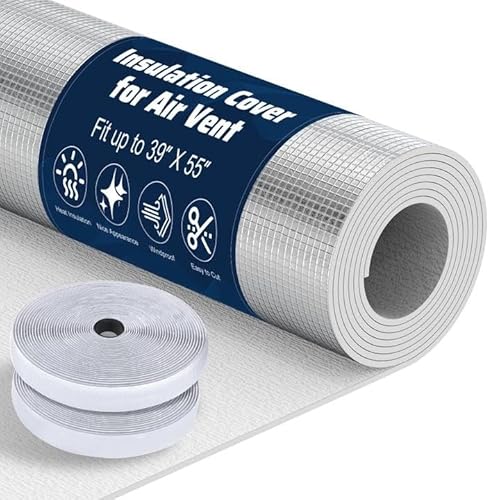
Best for: Homes needing a large, easily trim-to-fit cover with strong insulation layers. Pearwow’s 39 x 55 inch design uses three insulating layers, including a flexible Velcro strip system for secure, repeatable installations. The size accommodates many standard vents and can be cut to fit, which helps to seal drafts in winter and reduce heat intrusion in summer. Caution: the size might exceed smaller openings; check vent dimensions before purchase.
Attic Fan Shutter Cover: Battic Door
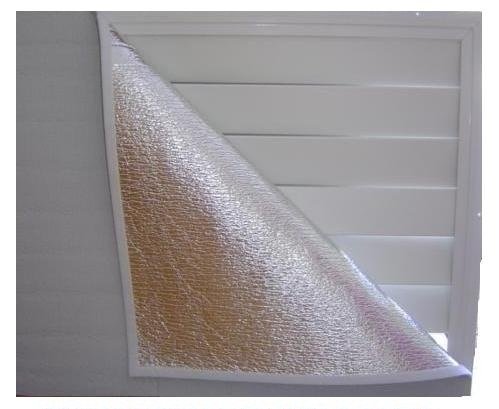
Best for: Whole-house fan installations where a robust seal matters. The Battic Door cover fits up to 36 x 48 inches and acts like a storm window for your attic ceiling fan, helping prevent drafts and heat exchange. It’s trim-to-fit, enabling a snug seal on irregular openings. Limitation: some installations may require precise trimming to avoid gaps that could reduce efficiency.
HFYZZ 51″ x 51″ Attic Cover
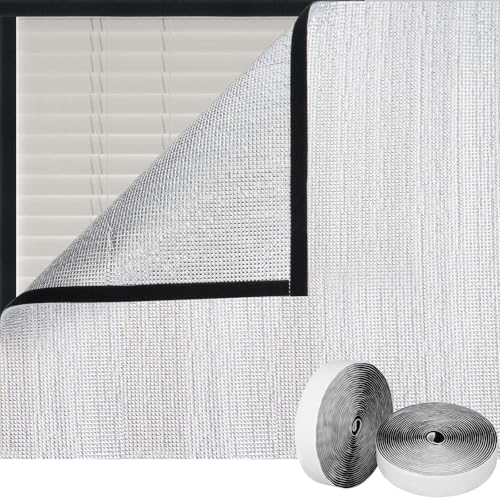
Best for: Homeowners seeking all-year insulation with a straightforward install. The HFYZZ 51 x 51 inch cover includes two rolls of self-adhesive tape and uses a three-layer structure: outer waterproof aluminum foil, a middle insulating layer, and an inner reflective foil. This combination helps block drafts and reduce heat transfer across seasons. A limitation to note: larger panels may require extra care during installation to ensure full coverage and a tight seal.
Buying Guide
What size should you choose? Measure your vent opening precisely. If you’re between sizes, opt for a slightly larger cover that can be trimmed, or choose a model with adjustable features like Velcro or hook-and-loop fasteners.
What material matters? Look for a three-layer design or layered aluminum foil with foam insulation for better thermal performance and moisture resistance. Waterproof outer layers help in high-humidity areas and wind-driven rain.
How easy is installation? Self-adhesive backings and exterior installation options reduce attic access. If you’re uncomfortable with applying adhesive to walls or ducts, choose products advertised as tool-free or exterior installation capable.
Durability and compatibility: Ensure the cover adheres to your vent materials (wood, drywall, metal, or plastic) and can withstand temperature swings. Avoid models relying on fragile adhesives in very hot climates, where performance may degrade over time.
Seasonal use and airflow: Some covers are more airtight than others. If you use your attic fan year-round, select a cover that balances insulation with some airflow when needed, or one that’s easy to remove during peak ventilation days.
FAQ
- Do attic fan insulation covers reduce energy bills?
Yes, by minimizing cold drafts in winter and heat gain in summer, they help stabilize indoor temperatures and reduce the load on heating and cooling systems. - Can I install these covers myself without tools?
Many models include self-adhesive strips or exterior installation methods, allowing tool-free setup; always follow the manufacturer’s instructions for best results. - Will a larger cover always perform better?
Not necessarily. A cover that’s too large may not seal properly or could protrude from the vent, reducing effectiveness. Trim-to-fit options are often preferred for a snug seal. - Are these covers suitable for RV or garage vents?
Several models advertise compatibility for RV and garage vents; check the listed size and material to ensure proper fit and durability in non-residential spaces. - Should I replace covers seasonally?
If a cover shows wear, tears, or reduced adhesive performance, replacement improves insulation and seal integrity. Regular checks help maintain efficiency. - What is the best approach for irregular vent openings?
Look for flexible-cut designs or those with Velcro/adhesive systems that allow you to customize the fit without compromising seal.