If you’re upgrading an attic or upper-floor climate setup, a heat pump system designed for ducted spaces can deliver efficient heating and cooling without a furnace. This guide highlights five top options, focusing on attic-friendly installations and energy efficiency. The featured models suit large to mid-sized spaces, homes needing retrofit-ready solutions, and buyers seeking inverter-driven performance. Below you’ll find a quick product summary, detailed sections for each unit, and practical buying tips to compare efficiency, capacity, and installation flexibility.
| Product | BTU / Capacity | Best For | Notes |
|---|---|---|---|
| Senville 3 Ton Central Air Conditioner Heat Pump Split System | 36,000 BTU | Large attic spaces up to ~2,000 sq ft | Inverter, variable speed |
| Senville 5 Ton Central Air Conditioner Heat Pump Split System | 55,000 BTU | Very large attics or multi-room homes | Inverter, 10KW AUX |
| ROVSUN 3 Ton 34000 BTU Ducted Central Air Conditioner | 34,000 BTU | Balanced cooling/heating in ducted setups | Inverter, precharged |
| Senville 4 Ton Central Air Conditioner Heat Pump Split System | 48,000 BTU | Mid-to-large attic or multi-zone areas | Inverter, 10KW AUX |
| TOSOT 60,000 BTU Ducted System | 60,000 BTU | Cold-to-hot climate swings in large spaces | Inverter, Energy Star |
Senville 3 Ton Central Air Conditioner Heat Pump Split System

Best for large attic spaces that require quick, even cooling and reliable heat in winter. The 36,000 BTU unit uses an inverter variable-speed compressor to transform an existing central system into a high-efficiency mini-split setup. It is well suited for homes that need rapid response to temperature changes and strong heating performance down to -22F/-30C. Caution: installation may require duct integration planning for attic layouts.
Senville 5 Ton Central Air Conditioner Heat Pump Split System

Best for very large attics or homes that need robust climate control with room-by-room flexibility. The 55,000 BTU unit provides rapid cooling for substantial spaces and includes inverter-driven heat pump technology for efficient heating in cold weather. It is a strong choice where ducted systems must cover expansive zones. Caution: higher BTU capacity may demand more complex ductwork and electrical planning.
ROVSUN 3 Ton 34000 BTU Ducted Central Air Conditioner
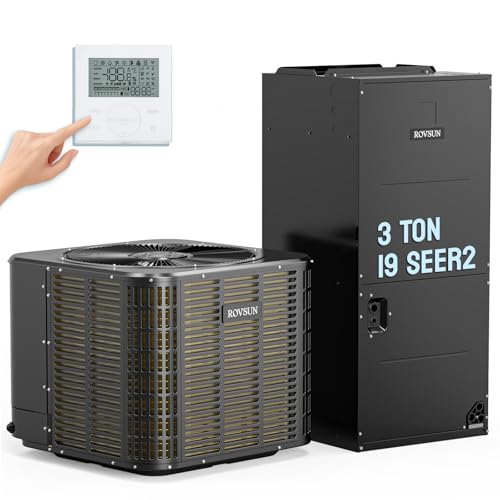
Best for retrofit ducted attic installations that need a balanced heating and cooling solution. This unit delivers 34,000 BTU with full inverter technology that reduces stop-start energy waste and supports eco-friendly R454B refrigerant. It fits vertical or horizontal configurations and is pre-charged for simplified installation. Choose this if your attic space requires flexible duct alignment. Limitation: 34,000 BTU may be on the lower side for very large, open attics without supplemental zoning.
Senville 4 Ton Central Air Conditioner Heat Pump Split System
Best for mid-to-large attic spaces needing strong heating and cooling with space to spare. The 48,000 BTU unit mirrors the 3-ton model’s inverter technology and supports reliable performance down to -22F/-30C. It is ideal where a balance of capacity and duct compatibility matters. Caution: ensure wiring and electrical capacity align with the heavier 48k BTU unit.
TOSOT 60,000 BTU Ducted Central Air Conditioner Heat Pump

Best for large attics or multi-zone areas in climates with wide temperature swings. The 60,000 BTU system offers inverter-driven heating and cooling with Energy Star recognition and a two-stage compressor for efficient performance. It supports operation from -22F to 130F, which is beneficial in extreme conditions. Limitation: higher initial installation complexity and potential ductwork considerations in retrofit projects.
Buying Guide
How to choose the right attic heat pump system
- Space and zone planning: Match BTU capacity to attic size and whether you need single-zone or multi-zone control.
- Inverter technology: Look for variable-speed compressors that adjust output to demand, saving energy and improving comfort.
- Duct compatibility: Check if the unit is designed for ducted retrofits and whether vertical or horizontal duct configurations fit your attic.
- Climate suitability: Consider operating temperature range for heating and cooling; some models perform well at very low temperatures.
- Refrigerant and future readiness: Prefer eco-friendly refrigerants with low global warming potential and models that stay current with energy-efficiency standards.
Installation considerations
- Electrical load: Higher BTU units may require upgraded electrical service and dedicated circuits.
- Ventilation and clearance: Ensure enough clearance for outdoor condenser placement and indoor air handler access for service.
- Attic accessibility: Plan for duct routing, insulation, and potential weather sealing to minimize heat gain or loss.
Energy efficiency and long-term costs
- Inverter systems typically deliver better energy savings versus fixed-speed units.
- Precharged systems reduce refrigerant handling needs, but professional installation is still crucial for optimal performance.
- Consider available tax credits or rebates for Energy Star-qualified equipment in your area.
Warranty and service considerations
- Check warranty coverage on the outdoor condenser, indoor air handler, and compressor separately.
- Confirm service support and availability of local technicians familiar with ducted attic installations.
FAQ
- What size attic heat pump do I need? Answer: Determine attic square footage, ceiling height, insulation, and ventilation; select a BTU rating that maintains comfortable temperatures with minimal runtime.
- Are inverter heat pumps better for attics? Answer: Yes, because they adjust output to demand, improving comfort and reducing energy use in variable attic conditions.
- Can I retrofitting a non-ducted attic into a ducted system? Answer: It’s possible with proper duct design and professional installation to ensure even airflow and efficiency.
- Do these systems work in very cold weather? Answer: Many models are rated for cold climates and operate down to about -22F, but check each unit’s specification for your region.
- Is precharged refrigerant important for attic installs? Answer: Precharged systems simplify installation and reduce refrigerant handling, but ensure a qualified tech completes the charge and leak-check.