If you need dependable backup power to keep a freezer running during outages, these five portable power stations are among the most capable options. They’re best for households seeking fridge-safe runtimes, surge capacity for freezing appliances, and easy setup during emergencies. This guide compares runtime, battery chemistry, expandability, and portability to help you choose the right unit for your freezer and home backup needs.
Summary table of chosen products
- BLUETTI FridgePower Portable Power Station — 2016Wh LiFePO4, ultra-slim, UPS features
- Anker SOLIX S2000 Portable Power Station — 2010Wh LiFePO4, long lifespan, compact
- Jackery Explorer 1000 v2 — 1070Wh LiFePO4, fast charging, versatile
- EnginStar Portable Power Station — 296Wh, compact for light loads
- Jackery Solar Generator 1000 v2 — 1070Wh, similar to Explorer 1000 v2, solar-ready
BLUETTI FridgePower Portable Power Station
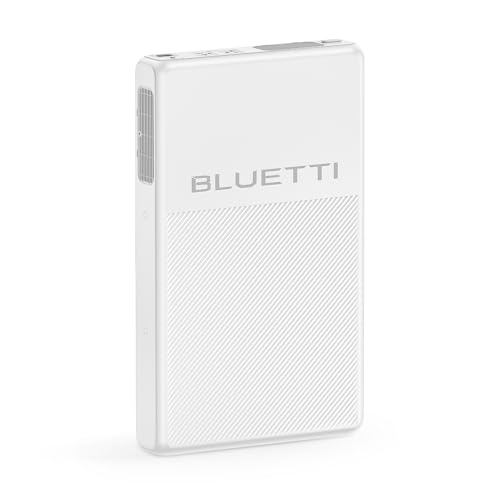
Best for: Fridge owners who want a dedicated, slim UPS-style backup that prioritizes refrigeration and can expand for longer outages. This unit uses LiFePO4 chemistry for stability and offers a 10ms handover to battery during blackouts, reducing the risk of food spoilage during outages.
Why selected: It combines an ultra-slim 75mm profile with four intelligent UPS modes and a robust backup runtime. Expansion is possible with additional BlueCell batteries to reach up to 8064Wh for multi-day outages, making it a strong option for continuous freezer operation.
Limitation: Expansion requires additional BlueCell packs and compatibility; ensure you have suitable space and mounting options in your kitchen area.
Anker SOLIX S2000 Portable Power Station
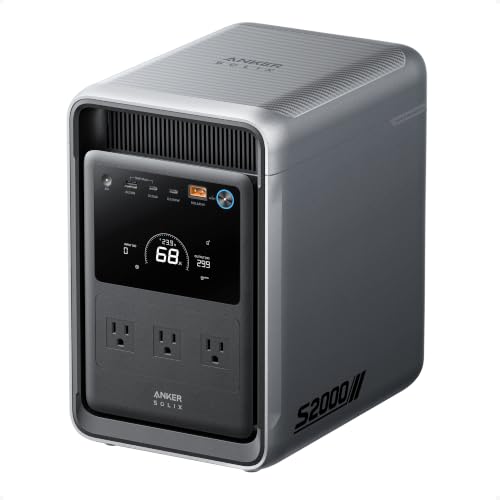
Best for: Home users needing a balance of capacity, portability, and long battery life for freezer backup with a compact footprint. Its 2010Wh LiFePO4 battery provides substantial runtime for a typical home freezer during outages.
Why selected: The S2000 offers up to 35 hours of fridge backup due to improved idle efficiency and a long 10,000-cycle lifespan. It’s lightweight for its capacity and includes a compact form factor ideal for kitchen storage without occupying too much space.
Limitation: It is not as expandable as some multi-unit setups, so plan for single-station coverage unless you deploy multiple units.
Jackery Explorer 1000 v2 Portable Power Station

Best for: Outdoorsy users and households needing a versatile power source for one-off outages, camping, or RV use, with a strong mix of capacity and recharge flexibility to sustain a freezer during a typical outage.
Why selected: The Explorer 1000 v2 blends a 1070Wh LiFePO4 battery with 1500W continuous output and fast charging for rapid readiness. Its modular design and solar-panel compatibility provide reliable backup when outages occur, especially in off-grid scenarios.
Limitation: While powerful, its core capacity may require topping up with solar or a secondary unit for multi-day outages in very cold conditions where freezer draw remains consistent.
EnginStar Portable Power Station (300W)
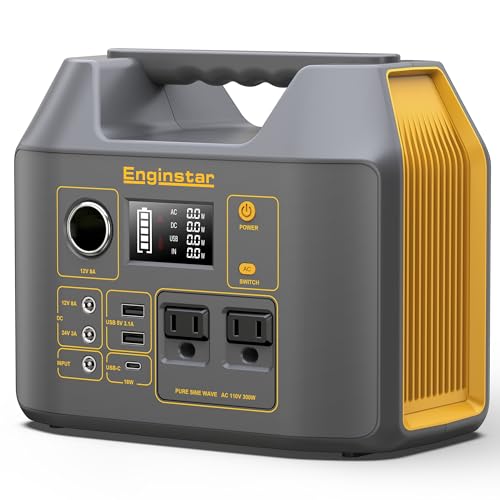
Best for: Budget-conscious buyers who need a compact, basic backup option for a small freezer or mini-fridge in emergency scenarios, campers, or portable uses.
Why selected: This unit delivers 296Wh with two AC outlets and multiple ports in a highly portable package. It’s suitable for smaller freezers or partial-fridge backup when space or budget is a primary concern.
Limitation: Limited capacity means it’s better for short outages or smaller freezers; for larger home freezers, pairing with a higher-capacity model is advisable.
Jackery Solar Generator 1000 v2

Best for: Home emergency power with solar-charging flexibility, enabling continuous fridge operation during outages when solar input is available.
Why selected: It mirrors the Explorer 1000 v2 in capacity and LiFePO4 chemistry, with solar-charging capability as a key benefit for outdoor or self-sufficient backup. The 1,070Wh capacity and 1500W AC output cover freezer needs in many outage scenarios.
Limitation: Solar panel availability or sunlight conditions impact charging time; during long outages, a second unit or grid-tied backup can improve resilience.
Buying Guide: How To Choose Backup Power For A Freezer
What capacity do you need?
Freezers typically draw modest continuous current but spike on compressor startup. Aim for a unit rated well above the freezer’s running wattage plus startup surge. LiFePO4 chemistry provides stable performance and longer life for frequent cycling.
Should you prioritize expansion or portability?
If you expect long outages, consider expandable systems (additional battery packs) to reach multi-day runtimes. For frequent short outages, a compact, portable unit with sufficient capacity and easy recharging may be preferable.
What about charging methods?
Solar charging adds resilience for off-grid use. If you rely on mains during outages, ensure the unit supports fast charging or high AC input. A mix of solar and grid charging gives the best flexibility.
Is speed of startup important?
UPS-style or autostart features help ensure a seamless transition when outages occur. Devices with auto-switch to battery and low idle consumption extend freezer protection during outages.
What about space and installation?
Ultra-slim or wall-mountable designs save kitchen space. If you have tight gaps behind or beside the freezer, slim models are preferable to traditional bulky units.
Frequently Asked Questions
- Can a portable power station reliably run a freezer? Yes, if the unit provides enough capacity to cover running and startup draw, and the freezer remains within the unit’s continuous and surge wattage limits.
- What is LiFePO4 battery chemistry? LiFePO4 offers stable performance, long cycle life, and improved safety compared with some other lithium chemistries, making it common in high-use backup devices.
- Do these units support wall-mount or kitchen installation? Some models are designed for compact spaces and can be placed behind appliances or mounted; check the product’s mounting options and dimensions.
- Is solar charging necessary? Not strictly necessary, but it adds resilience. If solar isn’t available, ensure the unit can recharge from a standard outlet quickly enough for your expected outages.
- Can I run more than one device at the same time? Most portable power stations support multiple outputs, but verify total wattage and outlet limits to avoid overloading during startup.
- How long will these batteries last? LiFePO4 packs typically offer thousands of cycles; many models advertise 8,000–10,000 cycles or more, preserving capacity long-term with proper care.