Looking for a portable cooling solution that can keep tents, RVs, trucks, and small cabins comfortable? These camping air conditioner units offer low-power operation, multiple modes, and compact designs ideal for outdoor adventures. This guide highlights five top options, explains who they’re best for, and outlines key features to compare when shopping.
Buyer types: backpackers or ultra-light campers may prefer very light, compact models; families and car campers benefit from larger tanks and more cooling power; RV and van life enthusiasts look for app control and multiple power options. The table below summarizes five strong picks and their standout traits.
| Product | Best For | Key Benefit | Limitations |
|---|---|---|---|
| Outohome 5200 BTU Portable Camping AC | Compact spaces, quick relief | Rapid cooling, low power | Lower BTU than larger units |
| BougeRV PC35 Portable AC | Tent and RV use | App control, easy portability | New model, limited third-party data |
| Poweel Portable AC | All-around versatility | Water tank, misting, 3 speeds | Water management needed |
| GOUKA Portable Ac 5200 BTU | Flexible power setups | Smart app, self-evaporation | Heavier than some small units |
| Cybertake S2 Pro Portable AC | All-season, versatile power | Cooling + heating up to 130 sq ft | Remote not included by default |
Outohome 5200 BTU Portable Camping AC

Best for: small tents, cabins, or spaces where quick cooling is needed. This unit uses a GMCC compressor to deliver 5200 BTU and can drop ambient temperature by up to 10°C (18°F) within minutes. It runs under 400W per hour, prioritizing energy efficiency. It weighs 31 lbs and measures 22.4 by 11.2 by 13.8 inches, with a single-handed carry handle. Ideal for summer camping trips and compact indoor cooling. The four modes (Cooling, Dehumidifying, Sleep, and Fan) are all remotely controllable, with a 24-hour timer for automatic shutdown.
Why selected: strong cooling power relative to compact size, quiet operation in sleep mode, and flexible placement. Best for travelers who need immediate relief without heavy equipment. Caution: performance can vary with larger ambient temperatures or extremely humid environments.
ZephyMyth 2026 Upgraded 4-IN-1 Portable AC

Best for: versatile, space-saving cooling in bedrooms, offices, or camping setups where you want natural cooling options. This unit offers Natural Wind (water-free) and Cooling modes (water/ice), plus a large 8-hour mist tank, 3 fan speeds, 3 spray modes, and a 120° adjustable louvers. Quiet operation and ambient lighting create a comfortable user experience. It also includes timer options and a compact footprint for smaller areas.
Why selected: flexible modes and extended mist operation suit all-day use in mixed environments. Caution: water or ice is required for maximum cooling, which requires regular refilling on extended trips.
BougeRV PC35 Portable Air Conditioner
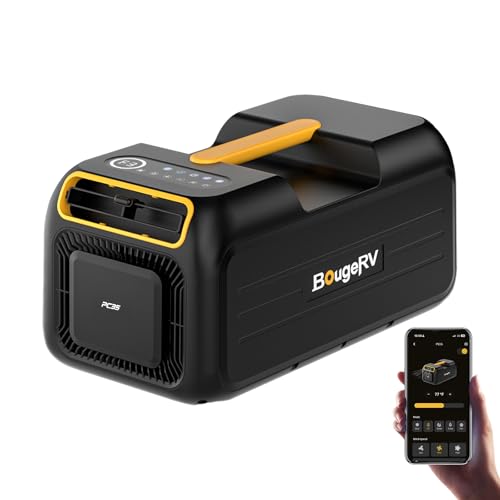
Best for: tent setups and RVs that benefit from app-based control. The BougeRV PC35 cools about 64.58 square feet and claims 18°F (10°C) cooling in 15 minutes under strong mode in lab conditions. App control within roughly 33 feet allows temperature, mode, and timer adjustments remotely. Its portable design and ergonomic handle support flexible indoor/outdoor use.
Why selected: fast cooling response and remote app operation enhance convenience on the go. Caution: real-world cooling varies with environment, and app features may depend on firmware updates or connectivity.
Poweel Portable Air Conditioner

Best for: multi-purpose rooms, camping, and cars where space for a separate humidifier is desirable. This unit features a 1600 ml water tank and two spray ports for continuous misting, plus three speeds. It supports cooling with water or ice and naturally breezes without water as an alternative. The dual mist capability helps maximize cooling efficiency when camping in warmer climates.
Why selected: versatility with mist and water-cooling modes, plus larger water capacity for longer operation. Caution: water tank refills are needed for extended use, which may be less convenient on longer trips.
Cybertake S2 Pro Portable Camping AC
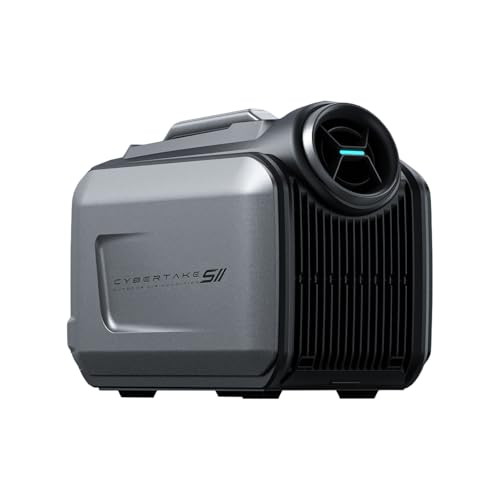
Best for: campers needing flexible power options and a robust cooling/heating range. The S2 Pro delivers 5100 BTU cooling and 6100 BTU heating, suitable for spaces up to 130 square feet. It supports AC wall, 12V/24V car/RV, and DC 48V power, offering multi-source operation. It features four modes (Cool, Heat, Dehumidify, Eco+), three fan speeds, 0–12 hour timer, and a self-contained control system.
Why selected: true all-season capability with heat on demand and broad power compatibility. Caution: remote control purchase may be required separately, and higher power options may demand substantial energy input.
Buying Guide: How To Choose The Right Camping AC
What size should you pick? For tents and small spaces, aim for units in the 3500–5200 BTU range. For RVs or larger tents, higher BTU models or multi-mode units offer better comfort. Consider cooling area, ambient climate, and whether you need heating capabilities.
Which power options matter? If you’re off-grid, look for inverter-ready units with low wattage and multiple power inputs (AC, 12V/24V, or DC). Self-evaporating or self-drain systems reduce maintenance in humid environments. app control can simplify operation from a distance, especially during long outings.
Important features to compare: cooling and dehumidification modes, cooling speed, noise levels, water tank size or water-free operation, timer length, and portability features (weight, handles, color-coded controls). A 24-hour timer helps automate shutdowns for uninterrupted sleep, while adjustable louvers direct airflow precisely where needed.
Usage scenarios: camping, tents, SUVs, vans, boats, and small cabins each benefit from different design priorities—weight and compactness for backpacking, versatility and app control for vehicle-based living, and robust cooling for hot climates or sun-exposed setups.
Frequently Asked Questions
- What BTU should I look for in a camping air conditioner? Choose 3500–5200 BTU for small tents or vehicles; higher BTU units are better for larger tents or semi-permanent setups like RV interiors.
- Can these units operate without water? Some models offer natural breeze cooling without water, while others require water or ice for cooling. Check each product’s cooling mode details.
- Are app-controlled units worth it for camping? Yes, they allow temperature, timer, and mode adjustments from a distance, which is convenient when you’re outside setting up camp or relaxing by the fire.
- Do these units drain batteries quickly? Energy use varies by model and mode. Look for units with energy-saving modes and self-evaporating systems to minimize power draw and maintenance.
- Is heating available in camping AC units? Some models offer heating modes, making them usable in shoulder seasons. Verify heating capacity if you need year-round comfort.
- What should I consider for portability? Weight, built-in handles, and compact dimensions matter most for packing into vehicles or tents. A lower profile and lighter weight improve travel ease.