Need an effective condenser coil foam cleaner to improve heat transfer and system efficiency? This guide highlights top options for HVAC technicians and DIY homeowners. Each product is evaluated for no-rinse capabilities, deep cleaning power, and compatibility with evaporator or condenser coils. The selections cater to different needs—from high-coverage gallons for pro use to ready-to-use aerosols for quick touch-ups.
Who should consider these cleaners? The top picks are suitable for: professional technicians seeking robust, no-hassle cleaning; DIY homeowners performing periodic maintenance; facilities managers overseeing commercial HVAC systems. The table below provides a quick comparison to help you choose based on coil type, cleaning action, and ease of use.
| Product | Best For | Key Benefit |
|---|---|---|
| Simple Green Foaming Coil Cleaner (20oz Aerosol, Pack of 3) | Professionals and DIYers needing portable cans | Self-rinsing; removes dirt and grime |
| Leak Saver Foam Blaster (No-Rinse & Light Rinse variants) | Deeper penetrations in dirty coils | High-Pressure foam; delayed foaming reaches below surface |
| Simple Green Foaming Coil Cleaner (Gallon) | Pro shops and maintenance teams | Large coverage; easy to store and apply |
| Nu-Calgon Evap Foam | Metal-safe, fast-breaking foam | Self-rinsing; suitable for various residues |
| Purafilter 2000 Coil Cleaner Foaming Spray | Commercial-grade cleaning | Easily rinses or wipes away |
Simple Green Foaming Coil Cleaner 20oz Aerosol (Pack of 3)

Best For: Professionals and technicians who need portable, ready-to-use cans for on-site coil cleaning. Why selected: It offers self-rinsing action on condensate-producing coils and is effective at removing dirt, grease, and grime that hinder heat transfer. It is NSF registered for use in food processing areas, making it versatile for commercial kitchens and processing facilities. Caution: Ensure proper ventilation when applying in tight spaces, and avoid spraying on live electrical components.
Leak Saver Foam Blaster AC Coil Cleaner Foam Spray

Best For: Coil cleanings requiring deep penetration before foaming. Why selected: It uses a high-pressured, focused spray to drive cleaner into the coil, followed by a delayed, active expanding foam that liquefies grime. Suitable for evaporators (no rinse) and condensers (light rinse). Caution: The spray pattern is concentrated—avoid overspraying onto surrounding components.
Leak Saver Foam Blaster AC Coil Cleaner Foam Spray — 3 Pack

Best For: Large property fleets or facilities performing routine maintenance. Why selected: The three-pack provides ongoing cleaning capability with the same deep-penetration action as the single can. It is designed for evaporators (no rinse) and condensers (light rinse). Caution: Plan for disposal and ensure proper ventilation in service areas.
Simple Green Foaming Coil Cleaner – Gallon

Best For: Maintenance teams or professional shops needing high-volume cleaning. Why selected: A gallon size supports extended use with consistent performance and convenient packaging. It’s a reliable, all-purpose cleaner for coil surfaces. Caution: In large applications, follow dilution or usage guidelines to prevent over-foaming or runoff.
Nu-Calgon Evap Foam
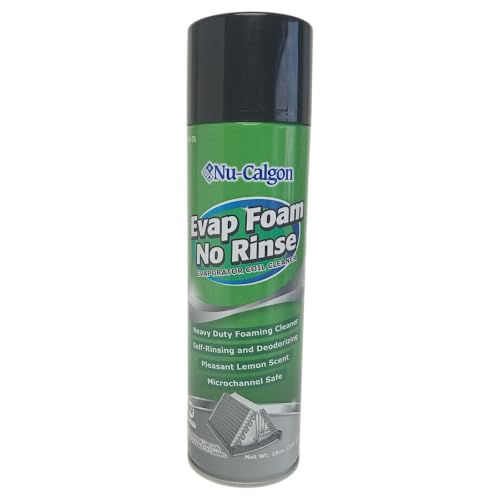
Best For: Systems requiring fast-acting, self-rinsing foam that safely targets evaporator residues. Why selected: Evap Foam liquefies dirt, grease, and residues quickly and is fortified with corrosion inhibitors for metal safety. It’s a strong all-around choice for evaporator cleaning. Caution: Use as directed for condensers if rinse requirements differ between coil sections.
PURAFILTER 2000 Coil Cleaner Foaming Spray
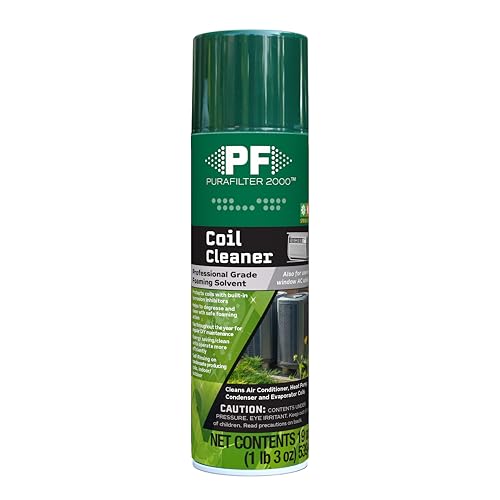
Best For: Commercial and professional-grade coil cleaning. Why selected: Designed for both condenser and evaporator coils with foaming action to lift heavy soils. It easily rinses or wipes away for a thorough finish. Caution: Ensure compatibility with specific coil materials and verify rinsing needs for your system.
Buying Guide: How To Choose The Right Condenser Coil Foam Cleaner
What should you look for when selecting a condenser coil foam cleaner?
- Rinse requirements: No-rinse formulas speed up maintenance but may require drainage or light rinsing on condensers.
- Coil compatibility: Some foams are fortified for metal safety; consider evaporator vs condenser corrosion protection.
- Application method: Aerosols offer portability; gallons or larger containers are cost-efficient for fleets.
- Foam action: Delayed expansion helps reach deep grime; immediate foam is useful for surface cleaning.
- Food-processing or regulated environments: NSF registration and compliance may be required.
- Ventilation and safety: Use in well-ventilated areas; follow label directions for eye and skin protection.
FAQ
- What is the main difference between no-rinse and light-rinse formulas?
– No-rinse foams clean without rinsing but may leave residues that require condensate drainage or incidental cleaning; light-rinse formulas need a small amount of water to wash away loosened grime. - Are these cleaners safe for metal coils?
– Most products are designed to be safe for metal components, though corrosion inhibitors or specific instructions should be followed per product label. - Which cleaner is best for large maintenance jobs?
– Large-volume options like gallon-size foaming cleaners are ideal for maintenance shops and fleet servicing, offering extended use and consistent results. - Can I use these on both evaporators and condensers?
– Many products are formulated for both evaporators (no rinse) and condensers (light rinse). Always confirm on the product page and follow directions for each coil type. - Do these cleaners remove odors as well as grime?
– Some formulations include deodorizing properties; check product features for odor control details if that is important.