Clear, clean cooling is within reach with targeted cleaners designed for ductless mini-splits and central AC components. This guide highlights five effective options, suitable for: homeowners maintaining mini-splits, DIY enthusiasts cleaning evaporator coils, and renters seeking odor control and improved airflow. Each product focuses on deep cleaning, odor neutralization, or easy no-rinse formulas to support better efficiency and air quality.
| Product | Best For | Key Benefit |
|---|---|---|
| Oiktylr Mini Split Cleaning Kit | DIY mini-split owners | High-pressure sprayer, PVC cleaning bag, protects electronics |
| Nordicare Air Conditioner Cleaner Spray | General home AC systems | Deep cleaning for ducts, vents, and filters; odor neutralizer |
| Leak Saver Foam Blaster (1 Pack) | Evaporators and condensers | High-pressure, deep-penetrating foam; no-rinse on evaporators |
| ERRECOM Clima-Net Cleaner | Central and split ACs | Universal cleaner for ducts, filters, and coils |
| Arm & Hammer Biodegradable Coil Cleaner Foam | DIY coil maintenance | Biodegradable formula with odor removal |
Oiktylr Mini Split Cleaning Kit Bag

- Premium PVC bag, waterproof and wear-resistant for durable use
- 2L high-pressure sprayer with long nozzle for deep cleaning
- Includes protective film, brushes, clamps, towel, drain pipe, and user manual
- Designed to drain dirty water away from walls and floors
Best for: DIYers cleaning mini-split systems who want a complete cleaning setup in one kit. This option is ideal when you need a portable solution that minimizes drips and protects sensitive electronics during cleaning. Caution: the kit does not include cleaning solution, so you’ll need to add your preferred cleaner.
Nordicare Air Conditioner Cleaner Spray

- Deep cleaning for ducts, vents, and filters
- Odor neutralization targets musty smells
- Promotes improved AC efficiency with regular use
Best for: homes facing persistent odors or dirty vents; useful for routine maintenance of both ducted and some ductless layouts. Caution: check compatibility with your specific system before use, as some cleaners may require rinsing for certain components.
Leak Saver Foam Blaster (1 Pack)

- High-pressure foam penetrates deep into coils
- Delayed foaming action liquefies grime for evaporators and condensers
- No-rinse required for evaporators; light rinse for condensers
Best for: those who want an aggressive cleaner that wets and penetrates tough buildup, especially on evaporator coils. Caution: evaporators are no-rinse while condensers may need a light rinse; plan cleaning steps accordingly.
ERRECOM Clima-Net Cleaner

- AC universal cleaner for central and split systems
- Targets air ducts, filters, evaporator and condenser coils
- Supports maintenance of strong airflow and cooling performance
Best for: households with mixed HVAC configurations seeking a single cleaner that covers multiple components. Limitation: user should follow product directions to avoid over-concentration on sensitive components.
Arm & Hammer Biodegradable Coil Cleaner Foam
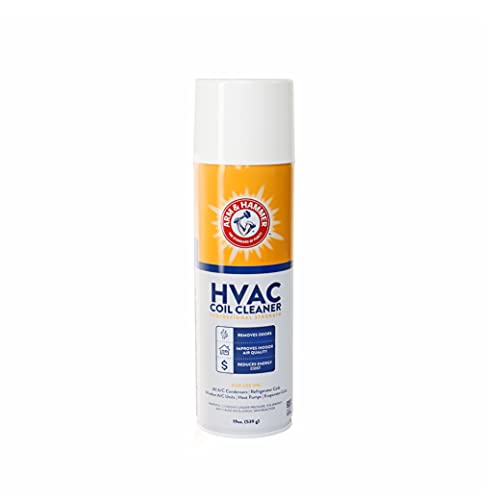
- Biodegradable foaming formula for coils
- Odor elimination for a fresher environment
- Designed to extend HVAC system life by reducing grime buildup
Best for: homeowners seeking an eco-friendly, no-hassle foam cleaner with deodorizing benefits. Caution: ensure complete evaporation before reassembly or operation of the system.
Buying Guide: Key Considerations for Choosing a Ductless AC Cleaner
- System compatibility: Some cleaners target evaporators only, while others are suitable for both evaporators and condensers. Match the cleaner to your unit type (ductless mini-split vs. central AC).
- No-rinse vs rinse-required: Evaporators often benefit from no-rinse formulas, while condensers may require light rinsing to remove residue.
- Penetration power: High-pressure sprays and foam formulations reach deep into coils and ducts, improving cleaning effectiveness but requiring careful application to avoid splash or damage.
- Odor control: If odors are a concern, choose products marketed as odor neutralizers or with deodorizing capabilities to improve indoor air quality.
- Ease of use: Kits with accessories (brushes, protective films, drain hoses) reduce mess and protect electronics during cleaning. Consider whether a no-muss setup aligns with your DIY comfort level.
- Environmental impact: Biodegradable or low-toxicity formulas are preferable for households with children or pets. Check the product’s safety data and disposal guidance.
- Maintenance frequency: For households with heavy use or high dust, more frequent cleaning intervals may be needed. A no-rinse or fast-clean option can simplify routine maintenance.
FAQ
- Is a no-rinse coil cleaner safe for evaporator coils? Yes, many no-rinse formulas are designed specifically for evaporators, to simplify maintenance without extra rinsing steps.
- Can I use ductless AC cleaners on central air systems? Some cleaners are universal, but always check compatibility with the system type and follow the manufacturer’s directions.
- Do coil cleaners improve energy efficiency? Regular cleaning can help maintain airflow and cooling effectiveness, which may support better energy efficiency, though results vary by system.
- Are biodegradable cleaners better for homes with pets? Biodegradable and low-toxicity formulas are generally preferred for homes with pets, as they reduce chemical exposure during cleaning.
- Should I hire a professional for coil cleaning? Professionals handle complex systems and hazardous areas; DIY cleaners are suitable for routine maintenance for many homeowners when used as directed.
- How often should I clean my mini-split coils? Frequency depends on use, environment, and dust levels, but a routine clean every 6–12 months is common for residential setups.