The best exterior duct insulation jackets help reduce heat transfer, protect ducts from moisture, and improve overall HVAC efficiency. This guide highlights five top products suited for different needs—from rigid panel insulation to flexible duct wraps—so you can choose the right jacket for your home or small commercial project. Whether you’re renovating a crawl space or upgrading a garage HVAC run, these options address moisture resistance, ease of installation, and thermal performance for exterior applications. The following table summarizes the featured products and their ideal use cases.
| Product | Best For | Key Benefit |
|---|---|---|
| 6 Inch Insulated Flexible Duct R6 Jacket (25 ft) | Residential HVAC runs; energy-conscious homes | Flexible, high R-value for duct runs |
| Duct Insulation 1-1/2 In x 48 In x 25 Ft | Rigid or semi-rigid duct sections | High density fiberglass with foil jacket |
| Double Bubble Reflective Foil Insulation Tape | Quick patching and wrap on pipes | Self-adhesive, reflective barrier |
| F&L Johns Manville Duct Insulation Panels | Sheet-metal duct sections | High thermal performance with facing |
| 5 Inch Black R6 Mobile Home Flexible Duct | Mobile homes; tight spaces | Flexible, durable black jacket |
6 Inch Insulated Flexible Duct R6 Jacket

The 6 Inch Insulated Flexible Duct R6 Jacket offers an inner diameter of 6 inches and a length of 25 feet, with a thermal resistance of R6. This jacket is designed for flexible duct runs in both commercial and residential HVAC systems, where energy efficiency and moisture management are priorities. Best for homeowners upgrading an attic or crawlspace air route, or contractors installing new duct runs that require enhanced insulation. A potential limitation is its 25-foot length, which may require multiple lengths for longer runs.
- Best for: Residential or small commercial duct runs needing reliable insulation without rigid panels.
- Why selected: Combines flexible installation with solid R-value for heat retention and energy savings.
- Caution: May require additional clamps or sealing for long runs beyond 25 feet.
Duct Insulation, 1-1/2In x 48In x 25Ft
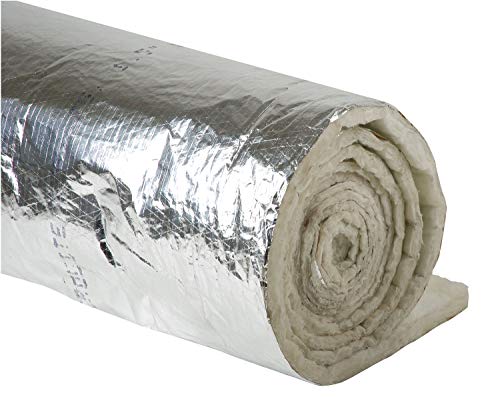
This fiberglass duct insulation from Johns Manville is 1-1/2 inches thick, 48 inches wide, and 25 feet long. It features a foil scrub jacket and is designed to meet multiple insulation standards. It’s suitable for sheet-metal duct systems seeking a robust thermal barrier. The data indicates a decent R-value of around 4.2 and a broad temperature range, which helps prevent heat gain or loss. A consideration is the need for proper installation and sealing on exterior sections to maximize performance.
- Best for: Projects needing a high-density fiberglass wrap with foil facing for moisture resistance.
- Why selected: Strong thermal performance supports energy efficiency in duct runs.
- Caution: Installation requires careful sealing to maintain effectiveness.
Double Bubble Reflective Foil Insulation Tape

The Double Bubble Reflective Foil Insulation Tape by DEMEDO is a self-adhesive, four-inch wrap with bubble insulation. It’s designed for quick, single-person installations on HVAC hoses, ducts, and related components. The thickened bubble layer helps reduce heat loss and protects pipes from light exposure. Best for fast patches or light-duty exterior wrap, but it’s not a substitute for more robust duct insulation on large or long runs.
- Best for: Quick, on-the-fly insulation of exposed ducts or hoses.
- Why selected: Easy one-person application reduces labor time.
- Caution: Not a stand-alone solution for long or high-heat duct sections.
F&L Johns Manville Duct Insulation Panels

These Duct Insulation Panels come in 1″ to 2″ thickness, with 24″ by 24″ and 24″ by 48″ sizes, designed for sheet-metal duct systems. They deliver a high thermal performance with an approximate R-value of 6.5 and feature a foil Scrim Kraft facing for moisture resistance and durability. They’re best when you need rigid, panel-based insulation for large, exposed duct sections. A limit is that installation may require cutting and fitting for non-standard duct configurations.
- Best for: Rigid duct sections and larger commercial or home HVAC runs.
- Why selected: High R-value and durable facing improve long-term performance.
- Caution: Requires precise sizing and cutting for optimal fit.
5 Inch Black R6 Mobile Home Flexible Duct

The 5-inch Black R6 Mobile Home Flexible Duct provides flexible, insulated airflow suitable for mobile homes and tight spaces. It uses a black exterior vinyl jacket with a reinforced wire helix core for durability and resistance to tears and punctures. Best for installations where space is constrained or where a visually discreet duct is preferred. A limitation is that it’s tailored for 5-inch runs, so mismatched diameters need alternative options.
- Best for: Mobile homes and compact installations requiring flexible routing.
- Why selected: Combines insulation with a durable exterior jacket for practical outdoor or semi-exposed runs.
- Caution: Only suitable for 5-inch duct applications; different sizes require alternatives.
Buying Guide
How should you choose exterior duct insulation jackets? Consider the duct type (flexible vs. rigid), the expected climate, and the installation location. The following questions help refine your choice:
- What R-value do you need? Do you want to maximize energy savings on long exterior runs?
- Is the duct run flexible or rigid? Flexible jackets are easier to install in tight spaces, while rigid panels offer sturdy, long-lasting protection.
- What moisture exposure will the jacket face? Foil facing and moisture barriers help prevent condensation and corrosion.
- How easy is installation? Self-adhesive tapes and quick-connect jackets reduce labor time.
- Are there space constraints? A smaller diameter or shorter length may be necessary in confined areas.
- Will the jacket require future maintenance or resealing? Choose materials with durable jacketing and resistant finishes.
Frequently Asked Questions
- What is the primary purpose of exterior duct insulation jackets? They minimize heat transfer, reduce energy loss, and protect ducts from moisture and physical damage.
- Can I install insulation jackets on existing ducts? Yes, many jackets are designed for retrofits, but fit and sealing are important for effectiveness.
- Do all jackets meet building codes? Look for products with moisture resistance and proper facing; check local codes for NFPA and energy standards.
- Is fiberglass insulation safe for exterior use? Fiberglass with proper facing and protective jackets is widely used; follow installation instructions to minimize loose fibers.
- Are reflective tapes or wraps better than standard jackets? Reflective or bubble wraps are convenient for quick patches, but may not replace full insulation in long runs.
- How should I seal around transitions? Use appropriate sealants and clamps to ensure a continuous thermal barrier.