If you’re looking to improve indoor air quality and bring in cleaner outdoor air through your HVAC system, the right fresh air intake filter matters. This guide highlights five effective options that fit common residential and small commercial setups. Each product is selected for ease of installation, compatibility with common duct sizes, and practical filtration performance. Best for homes prioritizing better IAQ, offices seeking odor control, and renters needing cut-to-fit solutions, these picks offer clear advantages and practical trade-offs.
Summary table of chosen products:
| Product | Best For | Filtration/Features | Note |
|---|---|---|---|
| CoreCarbon 20x30x1 Cut To Fit | Custom fit for standard 20×30″ ducts | Washable polyester filter media, USA-made, cut-to-fit | Reusable; low-maintenance washing |
| Demiwise MERV 8 20×100 Kit | Home ventilation with cut-to-fit flexibility | MERV 8 electrostatic material; 48 hooks; long roll for many filters | Ideal for renters; multiple filters from one roll |
| AC Infinity Inline Filter Box 6″ | Inline duct fans and whole-house setups | 1mm steel, duct flanges, slide-lock door; neutral seal | Durable for tougher environments |
Below are five detailed product sections to help you compare at a glance and choose the best fit for your space. Each entry notes who it’s best for, why it stands out, and a practical caveat.
CoreCarbon 20x30x1 Cut To Fit Filter

Best for: Homes needing a customizable, washable filter that can be trimmed to fit an existing 20×30 duct opening. The CoreCarbon unit uses a USA-made polyester filter media and is designed for both furnace and air conditioner applications. It is washable with low-pressure water, enabling repeated use without frequent replacements.
Why it’s selected: Its “cut to fit” capability provides flexibility for non-standard or slightly out-of-spec openings. The reusable nature lowers ongoing cost and waste compared to disposable filters. The product’s UL 900 classified material adds a layer of confidence for safety-conscious buyers.
Caution: The effectiveness depends on proper trimming and thorough drying after washing. Ensure the actual thickness matches your plenum to maintain a proper seal.
Demiwise MERV 8 20×100 Kit

Best for: Homeowners who want a ready-to-cut kit with high versatility and a long roll for many filters. The MERV 8 electrostatic media captures a broad range of dust, pet dander, and particles down to 0.2 μm, aiding in overall indoor air quality.
Why it’s selected: The kit includes 48 hooks for easy, damage-free installation and can be cut into 100+ custom filters for HVAC, purifiers, or vents. This is especially useful for renters or people who don’t want to alter fixtures. The long-term use claim of replacing every 2–3 months aligns with typical IAQ maintenance cycles.
Caution: Performance relies on correct cutting and secure mounting. Paper-like disposal filters aren’t involved here, but ensure the cut edges are sealed to prevent bypass.
AC Infinity Inline Filter Box 6″

Best for: Settings using inline duct fans where durable, sealed filtration is needed. The 6″ Inline Filter Box is designed to work with standard inline fans to circulate fresh air while blocking dust and odors.
Why it’s selected: Built from sturdy materials (1 mm steel and aluminum flanges) and featuring a slide-lock door, it’s reliable in environments subject to temperature and airflow variability. The soft neoprene seal helps prevent leaks around the inner chamber.
Caution: Ensure the inline fan and filter box fit within your ductwork layout. Weight and mounting must support the assembly to avoid vibration or loosening over time.
FATYCH 6-Inch Inline Filter Box
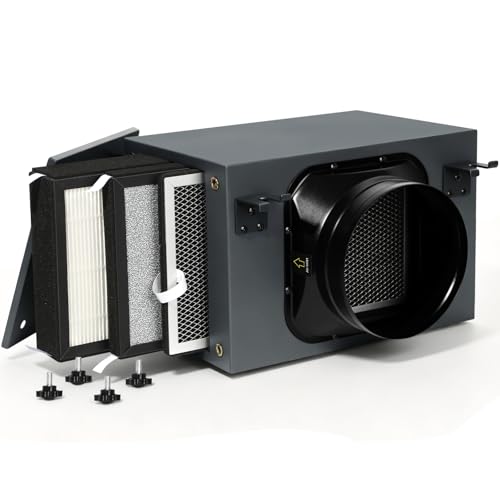
Best for: Systems using 6-inch inline ductwork that require a compact, versatile filtration solution with a multi-stage approach. This box includes a pre-filter, H-EPA filter, and activated carbon to reduce odors and manage particulates down to 0.3 microns.
Why it’s selected: The three-layer filtration system delivers broad coverage for dust, smoke, and light odors while remaining relatively straightforward to install and replace. It’s a good fit for improving air quality in rooms where odors or air contaminants are a concern.
Caution: The three-layer cartridge replacements should be scheduled every 4–6 months for optimal performance; more frequent changes may be needed in high-use environments with heavy pollution or smoke exposure.
Buying Guide: Fresh Air Intake Filter Essentials
- Proper sizing matters. Use filters that match your duct dimensions (for example, 20×30 or 6″ inline) to ensure a tight seal and effective filtration.
- Filtration level vs. airflow. Higher MERV ratings offer better filtration but can reduce airflow if the system isn’t designed to handle the load. Balance IAQ with the blower’s capacity.
- Filter type and maintenance. Washable and reusable media reduce waste but require regular cleaning and drying. Disposable options offer low maintenance but higher ongoing cost.
- Installation flexibility. Cut-to-fit solutions help when exact sizes aren’t available off the shelf. Look for kits with installation accessories (hooks, seals, or clip systems) to simplify mounting.
- Odor control versus particle filtration. Activated carbon or multi-layer boxes help with odors and off-gassing in addition to particulates, useful in kitchens, near smokers, or pet-heavy homes.
- Durability and environment. For garages, basements, or outdoor-adjacent HVAC intakes, choose robust enclosures with corrosion resistance and secure sealing.
- Replacement cadence. Plan for filter changes based on air quality, occupancy, and environmental factors. Some kits suggest quarterly changes; others can last longer with lighter use.
Frequently Asked Questions
- What is a fresh air intake filter for HVAC? It is a filter designed to upgrade or replace standard HVAC air filtration at or near the intake, allowing cleaner outdoor air to mix with indoor air.
- Do washable filters work well for fresh air intake? Yes, washable filters can be cost-effective and reduce waste when properly maintained, but ensure they’re designed for HVAC use and provide adequate filtration.
- Which filter size should I choose? Choose filters that match your duct dimensions or inline box specifications to ensure a proper seal and optimal airflow.
- Are activated carbon filters necessary? Activated carbon helps with odors and certain gases, which is beneficial in smoke-prone environments or areas with strong VOCs.
- How often should I replace inline filter cartridges? Replacement cadence varies by environment, but monthly checks are common in areas with heavy dust or odors, otherwise every 4–6 months is typical.
- Will these filters affect my HVAC efficiency? Properly sized and installed filters maintain airflow and efficiency. Oversized filtration or poor sealing can reduce airflow and put strain on the blower.