Answering the question “which heat pump is best for a residential home?” this guide highlights five solid options that balance efficiency, capacity, and ease of installation. These systems are suitable for different home sizes and climate needs. Best for replacements and small-to-mid homes are packaged units with built-in components. For larger homes or retrofit projects, inverter and multi-position air-handlers offer flexibility. The table below compares key choices to help buyers pick the right fit.
| Product | Type | Capacity | Key Benefit |
|---|---|---|---|
| 3 Ton Packaged Heat Pump Unit, Oxbox by Trane | Packaged | 3 Ton | All-in-one outdoor unit; year-round climate control |
| Goodman GLZS4BA2410 + AMST24BU1300 | Split System (Multi-position AHU) | 2 Ton | Efficient SEER2; versatile installation options |
| ACiQ 2.5 Ton 13.4 SEER2 Packaged Unit | Packaged | 2.5 Ton | Efficient cooling with R32 refrigerant |
| AIRGO G3 Soft Start Module | Accessory / Control | N/A | Reduces inrush, smoother starts for compressors |
| ACiQ Essentials 4 Ton 16 SEER2 Central Inverter System | Inverter Split/System | 4 Ton | Precise temperature control and energy efficiency |
3 Ton Packaged Heat Pump Unit, Oxbox by Trane
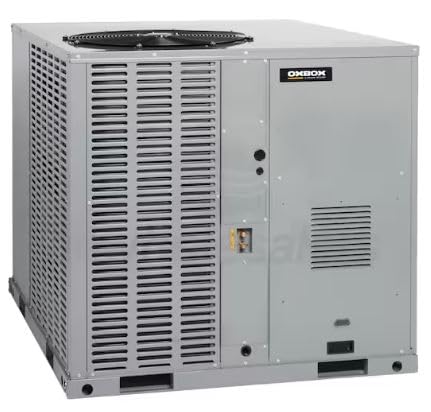
The 3 Ton Packaged Heat Pump Unit by Oxbox (Trane) is an all-in-one outdoor system delivering 36,000 BTU of heating and cooling. It uses 13.4 SEER2 efficiency with R-454B refrigerant, streamlining installation for residential replacements and new construction. Best for smaller homes or single-zone setups where a compact, self-contained outdoor unit is preferred. Choose this if you want a straightforward, single-unit solution with reliable year-round performance. A potential limitation is that outdoor-unit-only configurations may require careful site planning to ensure adequate airflow and service access.
Goodman GLZS4BA2410 + AMST24BU1300
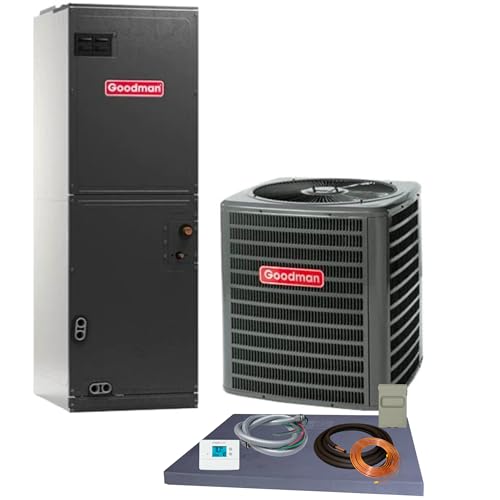
Goodman’s 2 Ton SEER2 heat pump system pairs the GLZS4BA2410 outdoor unit with the AMST24BU1300 multi-position air handler. This setup is suitable for homes needing flexible indoor-air distribution and easier service access. It is best for mid-sized spaces where a dedicated indoor air-handling unit is advantageous. The data notes the necessity of a heat kit in very cold climates, which is a useful caution for northern regions. This solution emphasizes efficiency and modularity over ultra-compact footprint.
ACiQ 2.5 Ton 13.4 SEER2 Packaged Unit

This 2.5 Ton packaged unit from ACiQ offers 13.4 SEER2 efficiency with R32 refrigerant, combining cooling and heating in a single outdoor package. It’s well-suited for homes that prefer all-in-one outdoor units with quieter operation and lower energy use. Best for smaller-to-medium homes and retrofit projects where simplicity and compact installation matter. A limitation to note is that performance guidance should consider climate and load to ensure the unit matches heating needs in very cold winters.
AIRGO G3 Soft Start Module

The AIRGO G3 Soft Start module optimizes compressor starts for HVAC and heat pump systems, reducing inrush current by up to 70%. It’s best for homes with older equipment or electrical systems that benefit from smoother startup sequences. This accessory is a good fit for buyers seeking improved reliability and extended equipment life. A limitation is that integration requires compatibility with existing control wiring and may need professional installation guidance.
ACiQ Essentials 4 Ton 16 SEER2 Inverter System

The ACiQ Essentials system uses inverter technology to adjust capacity dynamically, delivering precise temperature control with potentially lower energy consumption. With a 4 Ton capacity and 16 SEER2 rating, it’s suited for larger homes or zones with variable load. Best for buyers prioritizing energy efficiency and quiet operation. A note: inverter systems can require more complex installation and programming, so professional setup is often recommended.
Buying Guide: Key Considerations For Choosing A Home Heat Pump
- Home size and zone layout: Match unit capacity to your square footage and whether you need single-zone or multi-zone comfort. Packaged units work well for simpler layouts, while split systems can offer flexibility for larger homes.
- Efficiency ratings: Look for SEER2 and HSPF values; higher ratings typically reduce operating costs but may come with higher upfront costs. Inverter systems provide better efficiency at partial loads.
- Climate suitability: Colder climates may require heat kits or auxiliary heating. Some systems perform better in milder climates, while others are designed for year-round comfort in varied temperatures.
- Installation considerations: Outdoor footprint, airflow clearance, and electrical service compatibility influence choice. Some units require an internal air handler or ductwork considerations.
- Maintenance and serviceability: Accessibility of components, warranty coverage (note: no warranties are described here), and ease of filter/coil cleaning affect long-term care.
- Control options: Smart thermostats and compatible controls improve energy savings and user experience. Inverter models offer smoother operation and precise cooling/heating.
Frequently Asked Questions
- What is a packaged heat pump and when is it best to choose one?
Answer: A packaged system houses all components in a single outdoor unit. It’s best for homes with limited indoor space, simple duct layouts, or when a quicker, straightforward installation is desired. - Do inverter heat pumps save more energy?
Answer: Yes, inverter systems adjust output to match demand, often delivering higher efficiency at partial loads and quieter operation compared to single-stage counterparts. - Is a heat kit necessary for cold climates?
Answer: In colder climates, a heat kit or auxiliary heat may be required to maintain comfortable indoor temperatures when outdoor temperatures drop significantly. - What should I consider when adding an air handler to a heat pump system?
Answer: Consider the number of zones, duct design, airflow requirements, and whether the air handler is multi-position compatible for flexible installation. - Are soft-start modules important for my system?
Answer: Soft-start modules reduce electrical stress and inrush, potentially extending equipment life and improving startup reliability, especially on older electrical setups. - How do I compare SEER2 ratings across different models?
Answer: Compare the SEER2 value directly, but also consider climate, load, and the presence of auxiliary heating to assess real-world efficiency.