When selecting an inline booster fan with a pressure switch, look for automatic on/off control, compatibility with standard 4″ or 6″ ducting, and proven performance in real-world setups. This guide highlights five top options to fit different needs—from home HVAC enhancements to grow tents and dryer vent boosts. The best picks vary by application: quick, plug‑and‑play activation; durable wall‑mount or inline installation; and reliable, auto‑triggered operation for dryer or whole‑home ventilation. The table below offers a quick snapshot of the featured products and their intended buyer profiles.
Product Comparison Table
| Product | Best For | Key Benefit | Ideal Setting |
|---|---|---|---|
| AC Infinity Automatic Duct Fan 4″ Inline Fan | Industrial HVAC and small commercial | Differential pressure switch for automatic control | Any position mounting, versatile airflow |
| Tjernlund PS1503P Plug-in Switch | Systems needing easy plug‑in control | Works with any brand duct fan for automatic activation | Residential or small commercial HVAC |
| Rysmirs 4″ 240CFM Dryer Booster Fan | Long or complex dryer vents | High airflow with auto on/off and post-purge | Dryer exhaust upgrades |
| MIDCVFRUN Dryer Vent Booster Fan | Smaller to mid‑length dryer runs | 260 CFM with adjustable pressure sensor | Efficient drying and lint control |
| AC Infinity CLOUDLINE A6 6” Inline Duct Fan | Quiet, room‑to‑room ventilation | EC motor with speed controller and wired options | Grow tents, hydroponics, homes needing quiet exhaust |
AC Infinity Automatic Duct Fan 4″ Inline Fan

Best for: industrial HVAC ducting and ventilation projects that require automatic starting based on pressure changes. The differential pressure switch enables hands‑free operation, simplifying layout where manual adjustments are impractical. This model is ideal for spaces where consistent airflow delivery is critical to heating or cooling performance.
Why selected: It combines inline airflow with automatic sensing, reducing energy waste and eliminating manual fan control. The switch supports versatile mounting positions, improving airflow directionality in varied duct runs.
Caution: Mounting position and duct resistance can affect trigger sensitivity. Verify your duct layout supports the pressure switch’s range for reliable activation.
Tjernlund PS1503P Pressure Activation Switch
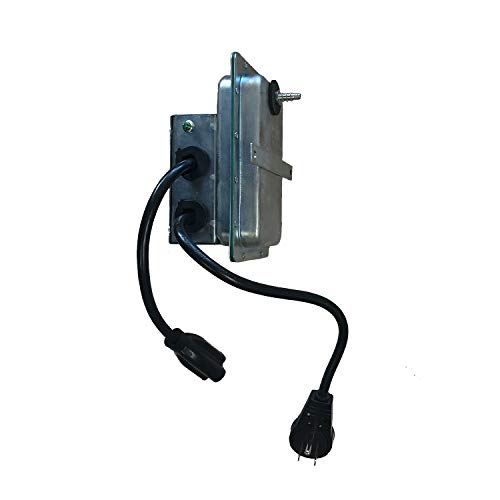
Best for: systems needing a simple plug‑in activation approach for duct fans. The PS1503P turns the duct fan on and off with the furnace or blower cycle, and works with various brand fans, offering straightforward integration in residential setups.
Why selected: It provides reliable auto‑activation without complex wiring, facilitating quick retrofits. It is especially useful when installing a new booster in existing ducts where a controller might be overkill.
Caution: Only suitable where a basic on/off trigger matches the furnace/AC cycle; ensure compatibility with your existing fan model.
Rysmirs 4 Inch 240CFM Dryer Booster Fan

Best for: long or complex dryer vent runs requiring strong exhaust and lint control. The auto on/off with adjustable pressure sensor helps maintain consistent airflow and reduces drying times in challenging duct layouts.
Why selected: High 240 CFM airflow and automatic operation address common bottlenecks in dryer exhaust, especially in multi‑bend or extended duct systems. Post‑purge helps clear residual moisture and lint after cycles.
Caution: For very short vent runs or minimal duct resistance, the extra airflow may be unnecessary and could introduce excessive draft in some configurations.
MIDCVFRUN Dryer Vent Booster Fan With Pressure Switch
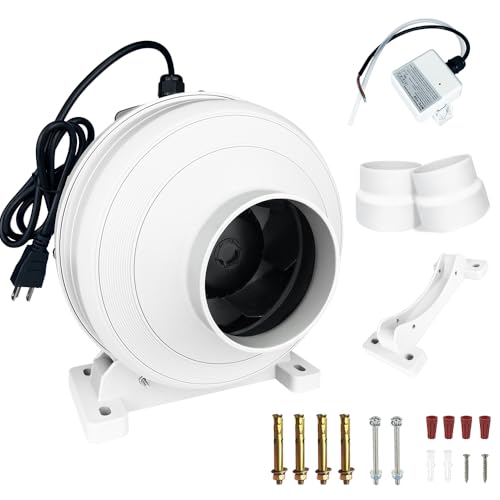
Best for: households needing a balanced, adjustable 4″ booster with built‑in pressure sensing for dryer vents. It fits standard 4″ ducting and offers customization to align trigger points with different dryer brands.
Why selected: The adjustable pressure settings enable tailored activation, improving compatibility across appliance models. It’s a practical choice for homeowners planning long or complicated vent routes.
Caution: Some installations may require careful sealing and mounting to prevent air leaks that could compromise sensor accuracy.
AC Infinity CLOUDLINE A6 6” Inline Duct Fan

Best for: quiet, mid‑to‑large space ventilation where odor control or room cooling is needed. The A6 uses a high‑efficiency EC motor and includes a wired 10‑speed controller, with compatibility for CLOUDLINE smart controllers.
Why selected: It delivers strong airflow with low noise and flexible speed control, making it suitable for grow tents, hydroponics setups, or rooms requiring adjustable exhaust without disrupting activities nearby.
Caution: Larger 6″ ducting may require space for installation and appropriate mounting hardware to maintain quiet operation.
Buying Guide
What should you consider when choosing an inline booster fan with a pressure switch?
- Ventilation needs: Determine whether you need rapid dryer exhaust, HVAC boost, or room ventilation. Dryer boosters emphasize high CFMs and auto operation; HVAC boosters focus on stable airflow with sensors.
- Pipe size and fit: Match the duct size (4″ vs 6″) to your existing ducting. Incompatibility can reduce performance or require adapters.
- Activation method: Choose auto pressure sensor versus thermostat/relay control based on how you want the fan to respond to system changes.
- Noise and energy use: Look for DC/EC motor options for quiet operation and low power consumption in living spaces or noise-sensitive areas.
- Installation and mounting: Some models support multiple mounting positions. Consider where you can route power and how sensor placement affects trigger reliability.
Frequently Asked Questions
- What is a pressure switch in an inline booster fan?
A pressure switch senses airflow resistance and automatically turns the fan on or off to maintain target air movement without manual intervention.
- Can I use these boosters with any dryer or HVAC system?
Most models are designed for standard 4″ or 6″ ducts and are compatible with common brands, but always verify compatibility with your duct size and wiring.
- Do these fans require an external controller?
Some units include built‑in controls or simple plug‑in switches, while others pair with dedicated controllers for advanced scheduling or smart automation.
- Will these fans reduce drying times or improve ventilation?
Yes, booster fans can increase exhaust airflow, reducing drying times for dryers and improving vent performance in HVAC or grow‑room setups.
- Are there safety considerations when installing a pressure‑activated booster?
Ensure proper wiring, moisture resistance for damp environments, and secure mounting to prevent vibration. Follow manufacturer instructions for safe operation.