When you need quiet, efficient ventilation in smaller spaces, a low CFM exhaust fan is often the best choice. This guide highlights five practical options, explains who they’re best for, and compares key points like noise level, installation, and suitability for different square-footage. Ideal buyers include apartment dwellers, powder rooms, and DIY remodelers seeking compact, energy-efficient solutions without attic access.
| Product | Best For | Approx. CFM | Why It Stands Out |
|---|---|---|---|
| Broan-NuTone Bathroom Exhaust Fan, 50 CFM | Small powder rooms and tight spaces | 50 | Energy Star certified; compact, easy install |
| Amico Bathroom Exhaust Fan, 80 CFM | Bathrooms up to 80 sq ft | 80 | Low noise (1.0 sones); simple ceiling install |
| Amico Bathroom Exhaust Fan, 110 CFM | Medium bathrooms around 100 sq ft | 110 | Higher airflow with quiet operation |
| VIVOSUN 4 Inch Inline Duct Fan 100 CFM | Compact duct routes in basements, kitchens, baths | 100 | Durable metal construction; low noise |
| AC Infinity AXIAL LS1238 | DIY cooling/ventilation projects | Not specified | UL-certified, modular for varied setups |
Broan-NuTone Bath Exhaust Fan, 50 CFM

The Broan-NuTone 50 CFM exhaust fan is ideal for small powder rooms or compact bathrooms up to about 45 sq ft. It operates at 2.0 sones, offering a balance of effective ventilation and quiet operation. This unit is Energy Star certified and designed for easy installation with no attic access required, thanks to its compact housing and foldable mounting brackets. Best for renters or remodelers needing a simple, low-profile vent solution.
Who it’s best for: those in tight spaces who want reliable moisture and odor control without major renovations. Caution: ensure duct work fits the 3″ diameter duct and the housing dimensions align with your ceiling cutout.
VIVOSUN 6″ Inline Exhaust Fan With Speed Controller

This inline duct fan delivers strong airflow up to 345 CFM and includes a speed controller for variable ventilation. While not a “low CFM” unit, it’s a solid choice when a compact, quiet inline fan is needed to boost ventilation in larger bathrooms, basements, workshops, or grow rooms with ducted setups. Best for spaces needing higher flexibility and DIY control over airflow.
Who it’s best for: buyers planning ducted installations across multiple rooms or requiring adjustable exhaust. Caution: higher CFM means more airflow and potential noise if not balanced with duct length and mounting.
Amico Bathroom Exhaust Fan, 80 CFM

The Amico 80 CFM model provides efficient moisture removal for bathrooms up to 80 sq ft with a quiet 1.0 sones operation. Its compact housing and included duct diameter support flexible ceiling installations, making it a strong option for apartments or remodels where minimal noise and straightforward wiring are priorities. Best for: medium-sized baths seeking reliable ventilation without noticeable noise.
Caution: verify ceiling cutout and duct paths to ensure a snug fit without forcing a larger opening than required.
Amico Bathroom Exhaust Fan, 110 CFM

The 110 CFM Amico model is designed for bathrooms around 100 sq ft, delivering strong airflow while maintaining a quiet environment with 1.0 sone operation. The unit’s dimensions and grille size support straightforward retrofit into existing ceilings, with reliable, UL-certified performance. Best for: larger powder rooms that still need low noise and efficient moisture control.
Limitations: confirm duct length and routing to avoid excessive resistance that could reduce actual airflow.
AC Infinity AXIAL LS1238
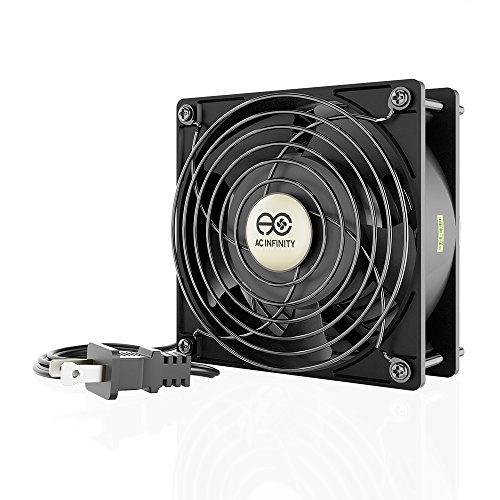
AC Infinity AXIAL LS1238 is a quiet muffin-style fan designed for DIY cooling and ventilation projects. It includes a heavy-duty aluminum fan, mounting hardware, and UL certification. This unit is suitable for projects that require a compact, low-profile exhaust solution within DIY cooling setups or replacement tasks. Best for: builders who want a modular fan for custom projects and non-standard spaces.
Limitation: this option is less of a plug-and-play bathroom vent and more of a project-specific solution; verify compatibility with your enclosure and electrical setup.
Buying Guide: Key Considerations For Low CFM Exhaust Fans
- What space will the fan serve? Measure square footage to ensure the CFM rating matches the room size for effective moisture removal without over-venting.
- How loud is the unit? Look for measurements in sones or decibels. For bathrooms, aim for 1.0–2.0 sones for a quiet experience during use.
- Is installation easy? If you lack attic access, prefer compact housings and models with flexible mounting brackets or direct ceiling installation.
- What are duct requirements? Check duct diameter, maximum length, and whether you need a short or long run to minimize airflow loss.
- Energy considerations: Energy Star certification can reduce running costs over time and align with energy goals for a home or apartment.
- Maintenance and service life: Consider units with durable motors and simple access for cleaning, especially in humid bathrooms.
- Smart or controllable airflow: If you want adjustable exhaust, look for models with speed control or compatible controllers.
FAQ
- What is the typical purpose of a low CFM exhaust fan in a bathroom?
To remove moisture, odors, and pollutants in smaller spaces while keeping noise levels low. - What size bathroom is a 50 CFM or 80 CFM fan best for?
About 45 sq ft for 50 CFM; up to ~80 sq ft for 80 CFM, depending on humidity and window presence. - Do low CFM fans consume less energy?
Generally yes, especially when combined with Energy Star certified models and efficient motors. - Can these fans be installed without attic access?
- What should I consider when choosing between 80 CFM and 110 CFM?
Choose 80 CFM for smaller bathrooms or if you want quieter operation; choose 110 CFM for higher moisture loads in larger bathrooms or with poor ventilation. - Do inline duct fans offer advantages over ceiling-mounted models?
Yes, several models are designed for ceiling-only installation with foldable mounting brackets or compact housings.
Inline fans can be ideal for longer duct runs or where quieter ceiling placement is needed, but require duct routing.