Answer: If you’re seeking low-energy cooling options, focus on portable and window units that emphasize inverter technology, energy-saving modes, and efficient airflow. This guide spotlights five budget-friendly, energy-conscious options well-suited for bedrooms, dorms, small apartments, or home offices. The top picks balance cooling power with lower energy use, quieter operation, and practical features like large water tanks, timers, and window kits. The buyers below range from portable evaporative models to inverter window units, helping you find the right fit for your space and energy goals.
Below is a quick summary table of the chosen products to compare key points at a glance. This table highlights type, approximate cooling focus, and notable energy considerations.
| Product | Type | Best For | Energy Considerations |
|---|---|---|---|
| MELOPHY Portable Air Conditioner | Portable Evaporative (Swamp Cooler) | Bedrooms, dorms, kitchens where window access is limited | Low power, large water tank, ice packs for extended cooling |
| Garvee 8000 BTU Portable AC | Portable 3-in-1 (Cool/Dehumidify/Fan) | Small-to-mid rooms, apartments | Efficient, flexible modes, adjustable window kit |
| BLACK+DECKER Portable AC 9000 BTU | Portable 3-in-1 | Bedrooms, living spaces needing quiet operation | Sleep-friendly with remote and auto modes |
| GE Profile ClearView Inverter Window AC | Inverter Window AC | Small to mid-size rooms with window access | Inverter efficiency, ultra-quiet operation |
| KoolSiln 14,000 BTU Portable | Large-room Portable | Large living rooms, home offices | Eco-friendly refrigerant, fast cooling, sleep-friendly |
MELOPHY Portable Air Conditioner With Ice Packs

Product overview: This evaporative air cooler uses a large 2.5-gallon water tank and eight reusable ice packs to extend cooling. It offers a high-torque motor and a wide air outlet for faster airflow, and it supports a 24-hour or longer cooling window with its top-fill water design and dual-tank setup. Best for buyers who want a cost-effective, low-energy solution that’s easy to refuel and operate without installation.
Who it’s best for and why chosen: Ideal for budget-conscious buyers in bedrooms, dorm rooms, or small kitchens who prioritize simple plug-and-play cooling and low operating costs. The model is better for those who value extended cooling via water and ice packs rather than heavy, permanent installation.
Important caution: Evaporative cooling performs best in dry environments; you may not achieve the same effect in very humid spaces. Humidity levels can reduce evaporative cooling efficiency.
Garvee 8000 BTU Portable Air Conditioner

Product overview: This 8000 BTU portable unit provides cooling for spaces up to 350 sq. ft and includes dehumidification and a two-speed fan. It comes with a remote, sleep mode, and a 24-hour timer for flexible, energy-conscious operation. The included window kit supports quick setup in minutes for apartment or dorm use.
Who it’s best for and why chosen: A solid choice for those needing reliable cooling in mid-sized rooms with a focus on ease of use and flow control. It’s better for buyers who want a compact unit with practical timers and a window kit for easier installation.
Caution: Installation may require attention to window kit fitment, and energy savings depend on room insulation and climate.
BLACK+DECKER Portable Air Conditioner 9000 BTU

Product overview: This three-in-one portable unit includes cooling, dehumidification, and a fan. It emphasizes a Follow Me remote with thermostat-like control, enabling precise temperature adjustments even when you’re not near the unit. The compact footprint makes it suitable for bedrooms and small living spaces up to about 400 sq. ft.
Who it’s best for and why chosen: A good option for buyers who want precise, remote-based temperature control and a single unit that handles multiple tasks. It’s better for light sleepers who appreciate quieter nights and customizable cooling without frequent adjustments.
Caution: Noise can be noticeable in higher fan settings; consider Sleep Mode for calmer operation at night.
GE Profile ClearView Inverter Window AC
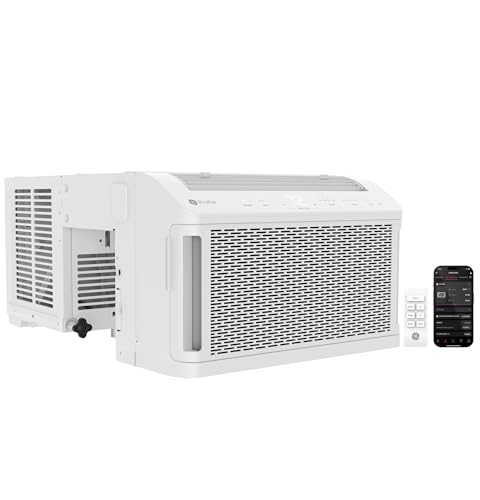
Product overview: This 10,300 BTU inverter window air conditioner aims for ultra-quiet operation while maintaining full window view. It’s designed for windows 20″-40″ wide and emphasizes inverter technology to smooth out cooling output, delivering energy savings without compromising performance.
Who it’s best for and why chosen: Best for buyers who want a window unit with a continuous, energy-efficient cooling profile and minimal visual obstruction. The inverter efficiency makes it a strong choice for rooms near the upper end of the unit’s capacity range.
Caution: Window installation constraints may limit placement; ensure your window meets the size and opening requirements before purchase.
KoolSiln 14,000 BTU Portable AC With Smart Features

Product overview: This high-capacity portable unit features 14,000 BTU cooling designed to cover up to 700 sq. ft. It emphasizes faster cooling with a wide outlet and eco-friendly R32 refrigerant. Sleep mode lowers noise and display brightness for night-time comfort, and 72-hour or 8-hour timers extend flexible use.
Who it’s best for and why chosen: Best for large living rooms, open-plan spaces, or home offices that need rapid cooling in bigger areas. It’s chosen for its combination of stronger cooling power and energy-conscious refrigerant used in a portable format.
Caution: Higher BTU units generally require more energy than smaller models; ensure you actually need this level of cooling for your space to avoid unnecessary consumption.
Buying Guide: Key Considerations For Low-Energy Cooling
What room size and layout should guide your choice?
Match unit capacity to space. Small bedrooms or dorm rooms often need 8,000–12,000 BTU portable units or compact window units. Larger living rooms may require 14,000 BTU portable options or a window unit with inverter efficiency for sustained low energy use.
Should you choose portable or window-based cooling?
Portable units offer flexibility and easy placement in rooms without window access. Window units typically provide more efficient cooling for a given space and can leverage inverter technology for energy savings. Consider installation ease and long-term operating costs when deciding.
How important is noise level?
Noise can impact comfort, especially in bedrooms and home offices. Look for units with Sleep or Quiet modes and inverter or low-noise fan settings. Target under 50–55 dB for times when you need undisturbed rest or work.
What energy features actually matter?
Inverter technology, energy-saving modes, programmable timers, and Eco modes can meaningfully reduce electricity use. Units with a 24-hour timer help you cool only when needed, shaving energy costs over time.
What maintenance and refueling considerations exist?
Evaporative coolers rely on water tanks and ice packs; monitor water levels and clean reservoirs regularly. Refrigerant-based units require periodic filter checks and proper sealing of exhaust hoses. Always follow manufacturer cleaning instructions for longevity and efficiency.
What are practical buying questions to ask?
- Is the unit appropriate for my room size and climate?
- Does it have an energy-saving inverter or similar efficiency feature?
- What is the noise level during operation in its main mode?
- How easy is it to install and maintain?
- What non-install considerations affect ongoing energy use, like timers and sleep modes?
Quick FAQ
- What type of air conditioner uses the least energy? Inverter-based window or portable units generally use less energy than traditional non-inverter models when sized correctly for the space.
- Can evaporative coolers replace traditional air conditioners? They can be cost-effective in dry climates but are less effective in humid spaces.
- Do I need to vent a portable AC? Yes, most portable units require venting through a window or exhaust to remove hot air.
- What’s a good rule of thumb for BTU? Choose BTU based on room size (approx. BTU per square foot; larger rooms need higher BTU).
- Are there energy certifications I should look for? Look for ENERGY STAR or inverter-based efficiency labels where available.
- Is it better to buy a larger unit for future need? Oversizing leads to inefficiency; select appropriately for the room to optimize energy use and cooling comfort.
All five products above offer practical, low-energy cooling options with clear reasons to consider each in relation to room size, climate, and installation constraints. The Buying Guide helps you compare features and energy profiles to choose the right model for sustained, efficient comfort.