Find the right low voltage wifi thermostat for your home with smart features that save energy and simplify control. This guide highlights five reliable options suited for common HVAC setups, including heat pumps and traditional systems. Each model is explained by who it’s best for, how it integrates with your smart devices, and a clear note on any limitations. Ideal buyers include DIY enthusiasts, renters seeking easy installs, and homeowners aiming to optimize energy use.
| Product | Best For | Key Benefit |
|---|---|---|
| Sensi ST55 | DIYers and energy savers | Energy Star certified, flexible scheduling, easy installation |
| Honeywell Home X2S | Smart home integrators | Matter certified, broad voice assistant support |
| Sensi ST25 | Budget-conscious DIYers | Energy Star, simple installation, geofencing |
| Honeywell RTH9585WF1004 | Programmable comfort fans | Color touchscreen, flexible programming, energy rebates |
| ecobee Smart Thermostat Essential | All-in-one smart home control | Energy savings, broad compatibility, regular updates |
Sensi ST55 Smart Thermostat

The Sensi ST55 is designed for straightforward DIY installation with a built-in level and app-guided steps. It works with most common HVAC equipment and typically does not require a C-wire, making it a practical choice for simpler setups. ENERGY STAR certification signals energy-saving potential through flexible scheduling, remote access, and usage reports. This model is best for homeowners who want a reliable, easy-to-install thermostat that integrates smoothly with Alexa and other smart platforms.
Best for: DIY homeowners who want a proven, energy-conscious thermostat that requires minimal wiring. Choose this if you value simple setup and broad compatibility. Caution: some heat pump configurations may still benefit from checking C-wire needs with your system installer.
Honeywell Home X2S Smart Thermostat

The X2S model emphasizes broad compatibility and smart home integration. It supports Matter certification and can work with major voice assistants like Amazon Alexa, Google Assistant, and Apple HomeKit. A C-wire may be required for reliable operation in certain homes, so verify your wiring before purchase. This thermostat is a solid pick for households that run multiple smart devices and want seamless control from a single app or voice assistant.
Best for: Smart-home enthusiasts who need broad compatibility and voice control. Caution: some installations require a C-wire power adapter for proper operation.
Sensi Lite Smart Thermostat ST25

The ST25 is the budget-friendly member of the Sensi family, offering easy DIY installation with a built-in level and straightforward instructions. It remains ENERGY STAR certified and supports features like flexible scheduling, geofencing, and remote access. A C-wire may be required for some heat pump or heat/cool systems, so confirm compatibility with your existing wiring.
Best for: Budget-minded buyers needing reliable wifi control with essential energy-saving features. Caution: For certain heat pump configurations, a C-wire may still be needed.
Honeywell Home RTH9585WF1004 Smart Color Thermostat
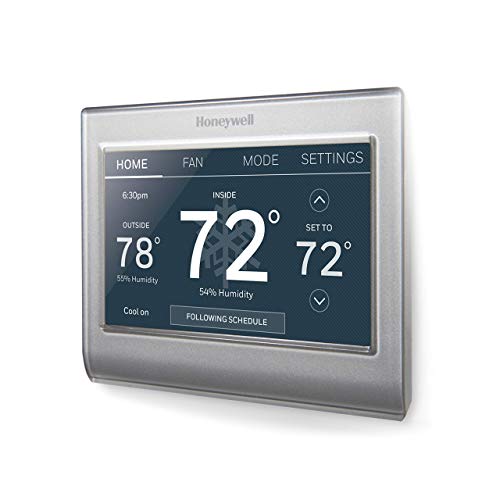
This color touchscreen thermostat emphasizes personalization and flexibility with 7-day programmable schedules and energy-saving options. It supports demand-response programs where available, potentially earning rebates in some markets. It’s a strong choice for users who want a visually engaging display and advanced scheduling without sacrificing energy efficiency.
Best for: Homeowners who want a color touchscreen and robust scheduling options. Caution: Availability of rebates and demand-response programs depends on local utilities.
ecobee Smart Thermostat Essential

The ecobee Essential highlights energy savings with a 23% potential reduction in annual heating and cooling costs and broad compatibility with many systems. It adjusts to your schedule, supports color touchscreen control, and receives free software updates to improve performance over time. This model is ideal for users seeking an all-in-one smart home control hub with ongoing software improvements.
Best for: Users who want strong energy savings, reliable app control, and ongoing updates. Caution: Check your HVAC compatibility with ecobee’s online checker before purchasing.
Buying Guide: Key Considerations for Low-Voltage Wifi Thermostats
- Wiring and C-wire: Many low-voltage systems need a C-wire for consistent power. If your current setup lacks one, confirm whether the thermostat can operate with a powered adapter or without a C-wire for your specific equipment.
- Compatibility: Verify compatibility with your HVAC system, including heat pumps, conventional systems, and multi-stage configurations. Use each model’s compatibility notes or online checker.
- Smart features: Consider scheduling flexibility, geofencing, remote access, and energy reports. These features directly affect potential energy savings and daily convenience.
- Voice and platform support: If you use Alexa, Google Assistant, Apple HomeKit, or Matter, choose a thermostat that offers native or broad compatibility to ensure seamless control.
- Display and user experience: Color touchscreens and intuitive apps improve daily use. For shared homes or households with guests, a clear interface is beneficial.
- Energy rebates and programs: Some models integrate with utility demand-response programs or rebate opportunities. Check local programs to maximize savings beyond device-level efficiency.
- Installation effort: DIY installation is common, but some setups may require professional help, especially with heat pump configurations or non-standard wiring.
Frequently Asked Questions
- What is a C-wire and why does it matter? A C-wire provides continuous power to a thermostat. Some systems work without it, but many require it for reliable operation.
- Do these thermostats support heat pumps? Yes, several listed models support heat pumps, but confirm each model’s compatibility with your specific system.
- Can I control these thermostats with my smart speaker? Most listed models support popular assistants like Alexa, Google Assistant, and Apple HomeKit, and some support Matter.
- Will upgrading my thermostat save energy immediately? Savings depend on usage patterns and programming. Flexible scheduling and geofencing generally contribute to measurable reductions.
- Is professional installation necessary? DIY installation is common, but professional help may be advisable for complex wiring or heat pump configurations.