Mini split air conditioners offer flexible cooling with no ductwork, ideal for room additions, home offices, or spaces where central HVAC isn’t practical. This guide highlights the pros and cons of mini splits and presents five top options to match different needs — from energy efficiency to easy DIY installation. Suitable buyers include: renters looking for portable-like setup, homeowners adding zones, and budget-conscious buyers seeking energy savings with inverter tech.
| Product | Best For | Key Benefit |
|---|---|---|
| Air-Con Serene Series 12000 BTU | High efficiency, multi-zone control | Independent zone control with inverter efficiency |
| Albott 12,000 BTU SEER2 18 | All-in-one comfort, app control | Self-cleaning; wide operating range |
| Nexaro 12000 BTU 19 SEER2 | Energy efficiency, coverage up to 750 sq.ft. | R32 refrigerant; multiple modes |
| Temprium 12000 BTU 22 SEER2 | Top energy savings, quiet operation | High SEER2 rating; eco-friendly refrigerant |
| GarveeHome 18000 BTU 19 SEER2 | Large spaces, robust cooling | High capacity; multiple modes |
Air-Con Serene Series 12000 BTU Mini Split

Overview: This ductless system delivers independent zone control and inverter-based efficiency. It is designed for direct room conditioning with quiet operation. Best for multi-room setups where you want separate temperature control per zone.
Who it’s best for: Homeowners or small business spaces needing precise zone management without ductwork.
Why selected: Its independent zone control reduces energy waste and simplifies installation with pre-charged linesets. The warranty and U.S. parts support add reliability for long-term use.
Caution: Ensure proper sealing of each zone to maximize efficiency; larger spaces may require additional units for even cooling.
Albott 12,000 BTU SEER2 18

Overview: All-in-one comfort control with temperature, timer, and remote/app control. SEER2 18 suggests strong energy efficiency with reliable year-round performance in moderate climates.
Who it’s best for: Households seeking a compact system with smart control and flexible scheduling for living spaces up to 750 sq. ft.
Why selected: Strong energy efficiency and user-friendly controls make it a solid “buy-and-go” option for DIY-friendly installation in spaces where quiet operation matters.
Caution: Self-installation suitability depends on local regulations and skill; ensure correct wiring and outdoor unit placement for optimal performance.
Nexaro 12000BTU 19 SEER2
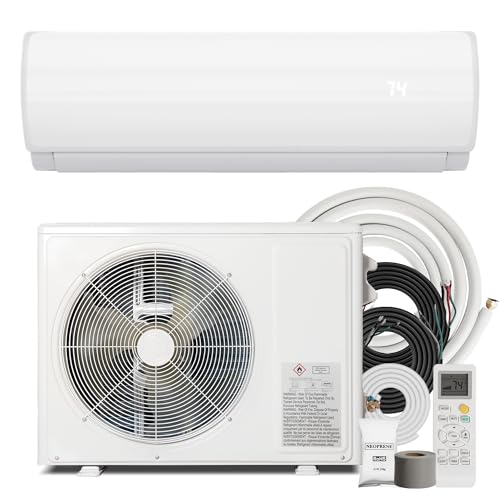
Overview: This system uses a robust inverter compressor to deliver year-round comfort with cool-down speed and heat pump capability. Coverage up to 750 sq. ft. and R32 refrigerant emphasize energy-conscious operation.
Who it’s best for: Homeowners needing versatile 5-mode operation with efficient cooling and heating for medium-size rooms.
Why selected: The combination of 4 fan speeds, timer options, and Sleep/Eco modes supports tailored comfort while controlling energy use.
Caution: Like many inverter units, performance depends on proper installation and refrigerant charge; improper setup can reduce efficiency.
Temprium 12000 BTU 22 SEER2

Overview: A high-efficiency mini split with a 22 SEER2 rating and eco-friendly R32 refrigerant. Delivers strong cooling and heating while maintaining quiet operation at low dB levels.
Who it’s best for: Homes needing maximum energy savings in spaces up to 750 sq. ft., where nighttime noise must be minimal.
Why selected: Exceptional efficiency reduces overall energy costs, while low-noise operation supports bedroom or study use.
Caution: Higher up-front cost may be offset by long-term energy savings; ensure correct sizing for the room to fully realize efficiency gains.
GarveeHome 18,000 BTU 19 SEER2
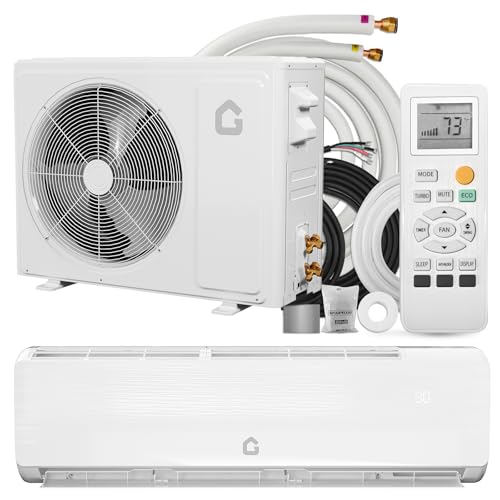
Overview: Larger-capacity system designed to cool or heat bigger spaces with multiple operating modes and a full installation kit.
Who it’s best for: Larger living areas, garages, or spaces up to around 1250 sq. ft. that require robust climate control.
Why selected: High capacity combined with inverter efficiency supports variable load spaces while providing flexible operation.
Caution: Larger units may require more space for outdoor components and proper clearances; consider structural support for installation.
Buying Guide: Mini Split Purchase Considerations
- : Match BTU rating to the space. Oversized units cool or heat quickly but may short-cycle, reducing dehumidification.
- Efficiency and refrigerant: Look for SEER2 ratings and refrigerant with low global warming potential (e.g., R32) to balance cost and environmental impact.
- Inverter technology: Inverter-driven compressors adjust speed, reducing energy use and providing steady temperatures.
- Installation type: DIY-friendly quick-connect models save time but verify local regulations and warranty implications.
- Noise levels: For bedrooms or offices, choose units with low dB ratings and Sleep modes that minimize disruptions.
- Zone control: Multi-zone systems allow independent temperature control; confirm zoning capability and compatible indoor units.
- Warranty and support: Consider units with long warranties and US-based parts support for easier maintenance.
- Maintenance needs: Self-cleaning features and diagnostic tools can simplify upkeep but require occasional service checks.
Frequently Asked Questions
- What size mini split do I need for a 200 sq. ft. room? A typical guideline is 6,000 BTU to 9,000 BTU, but exact sizing depends on climate, insulation, and windows.
- Are mini splits easy to install myself? Some models are designed for DIY installation with pre-charged linesets, while others require professional service.
- Do mini splits use a lot of energy? Energy usage varies by SEER2 rating and usage patterns; higher SEER2 generally means lower energy costs over time.
- Can a mini split heat in winter? Many models operate as heat pumps and can provide heating down to moderate outdoor temperatures, depending on the unit.
- Do all mini splits require ductwork? No; they are ductless by design, which helps prevent energy losses common in ducted systems.
- What maintenance is recommended? Regularly clean or replace filters, inspect outdoor units for debris, and schedule professional checks if refrigerant or electrical concerns arise.