If you’re upgrading an attic space or converting a central system to a ductless setup, a reliable mini split air handler is essential. This guide highlights five effective options suited for attic applications, plus practical buying considerations. Each product is described with who it’s best for, why it was selected, and a clear caveat to consider before purchasing.
| Product | Best For | Key Benefit |
|---|---|---|
| Della 9,500 BTU Concealed Ducted Mini Split | Attics or ceilings with concealed ducting | High efficiency, quiet operation, concealed duct design |
| ROVSUN 9000 BTU WiFi Mini Split | Small to medium attic rooms | Inverter efficiency and smart controls |
| ROVSUN 3 Zone 28,000 BTU Mini Split | Multi-room attic spaces | Individual zoning and energy savings |
| JEACENT Mini Split Wall Mounting Bracket | Outdoor condenser mounting for attic setups | Heavy-duty, vibration damping, accurate leveling |
| Mini Split Bracket for Ductless Air Conditioner | Attic or elevated wall installations | Perpendicular alignment and wall protection |
DELLA 9,500 BTU Concealed Ducted Mini Split

Best for attic installations that require concealed ducts. This unit delivers 9,500 BTU with 19.6 SEER2 and an inverter compressor for efficient cooling and heating down to -13°F. The concealed duct design hides the indoor unit for a clean ceiling or attic appearance. It also supports quiet operation, which is beneficial in living spaces directly below an attic. A potential limitation is installation complexity, as concealed ducts demand precise integration with existing ceiling or attic layouts.
ROVSUN 9000 BTU Wifi Enabled Mini Split

Best for small attic rooms needing smart control. This 9000 BTU unit offers inverter-based efficiency with a wide operating range. It’s designed for quiet operation and includes a pre-charged condenser kit, which can simplify initial installation. Choose this if you want remote control and energy savings, but be aware that performance can vary with extreme attic heat without proper insulation and duct layout.
ROVSUN 3 Zone 28000 BTU Mini Split

Best for larger attic spaces or multi-room areas. This tri-zone system provides independent temperature control in three rooms via separate indoor units connected to one outdoor condenser. It supports energy savings through inverter technology and offers features like automatic defrosting and timer options. The trade-off is a potentially higher upfront cost and more complex installation for multiple indoor units in an attic setting.
JEACENT Mini Split Wall Mounting Bracket (7000-18000 BTU)
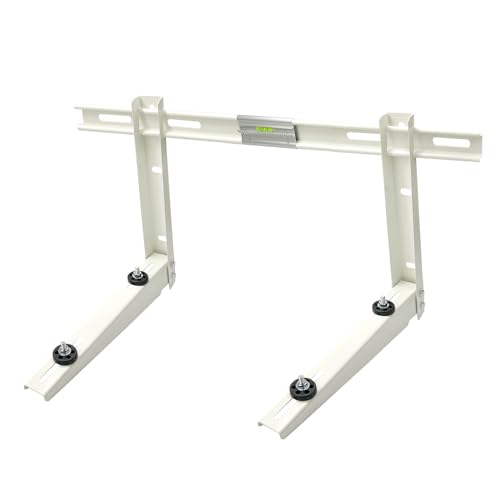
Best for stable outdoor condenser mounting in attic-adjacent spaces. This heavy-duty galvanized steel bracket supports up to 270 lbs and includes damping rubber for vibration reduction. It helps ensure proper airflow by keeping the unit level. A limitation is that installation requires accurate wall and outdoor mounting location planning to ensure optimal air circulation.
Mini Split Bracket for Ductless Air Conditioner Wall Mounting

Best for attic or elevated wall installations where a sturdy mounting solution is needed. This universal bracket supports 7,000 to 15,000 BTU systems and ensures perpendicular alignment for proper condenser leveling. It includes rubber damping for reduced vibration. Consider compatibility with your specific unit’s footprint and mounting clearance when selecting brackets.
Buying Guide: Key Considerations For Attic Mini Split Air Handlers
- Attic suitability: Look for concealed duct options or ductless systems that minimize visible equipment in living spaces above or around the attic.
- BTU and room size: Choose a unit with adequate BTU for the attic’s square footage, ceiling height, and insulation. Over-sizing can waste energy; under-sizing reduces comfort.
- Zoning needs: If cooling multiple attic zones, consider a tri-zone or multi-zone system to tailor comfort and efficiency per area.
- Energy efficiency: Prioritize inverter technology and SEER/HSPF ratings to maximize energy savings, particularly in attic environments with temperature swings.
- Installation considerations: Concealed duct systems require careful ductwork planning. Ductless systems simplify installation but may need additional supports and bracing in attic spaces.
- Controls and smart integration: WiFi-enabled units and app control offer convenience for attic operations, especially when monitoring from other floors.
- Ventilation and air distribution: Ensure the attic has adequate ventilation and that airflow paths prevent drafts or condensation on ceilings and walls.
- Mounting hardware: Use heavy-duty brackets designed for high airflow and vibration damping to protect the condenser and ensure quiet operation.
Frequently Asked Questions
- What size mini split is best for an attic room?
– Choose BTU based on attic area, insulation, and climate. Typical small attics may use 8,000–12,000 BTU units, while larger spaces may need 18,000–28,000 BTU or a multi-zone system. - Are concealed ducted mini splits better for attics?
– Concealed ducted options hide most indoor equipment and can achieve a clean attic look, but require precise ductwork and space for vents. - Can I install a mini split in an attic myself?
– Some installations are DIY-friendly, especially ductless systems with straightforward outdoor-to-indoor piping. Complex ducted designs or high ceilings may require professional installation. - Do mini splits save energy in attic environments?
– Yes, especially inverter-type units, when properly sized and installed, as they adjust compressor speed to match demand, reducing wasted energy. - What maintenance do attic mini splits need?
– Regular filter cleaning, coil cleaning, and occasional checks of refrigerant lines and electrical connections help maintain efficiency and reliability. - How do I choose between single-zone and multi-zone mini splits for an attic?
– Single-zone is simpler and cost-effective for a single space; multi-zone provides independent control for multiple attic zones and can improve comfort and energy use in larger or multi-area attic layouts.