Answering the common buyer question: which mini-split style transfer fan best balances quiet operation, strong airflow, and easy installation for two rooms? This guide reviews five solid options that transfer air between adjacent spaces, helping even temperatures without remodeling. Ideal for improving comfort in living rooms, kitchens, bedrooms, and laundry areas. Each pick is evaluated for who it’s best for, key strengths, and any practical limits.
| Product | Best For | Key Benefit |
|---|---|---|
| suplife 8″ Room to Room Fan | Budget-conscious users needing remote control | High 320 CFM with quiet operation |
| Apexicalo Hardwired Room to Room Fan | Professional installation and flush fit | 3.8″–7.4″ wall compatibility, 300 CFM |
| Windigaga 8″ Room to Room Fan | Remote control convenience | 320 CFM, DC motor, 32.8 ft range |
| ALORAIR 300 CFM Dual Fan | Year-round heating and cooling needs | Three modes plus thermostat |
| suplife Reversible 8″ Fan | Reversible airflow with temperature sensor | 320 CFM, reversible direction |
suplife 8″ Room to Room Fan With Remote

Best for value and remote convenience. This 8″ through-wall transfer fan offers up to 320 CFM, designed to move air between two rooms and balance temperatures. The included remote controls power, wind speed (0-9 levels), airflow direction, and a timer from up to 33 feet away. It uses a next-gen EC motor with PWM control for quiet, energy-efficient operation and a robust frame that reduces dust ingress. Ideal for spaces where a simple, powerful transfer solution is preferred, such as basements, closets, or laundry zones. A practical caution is that high airflow may require careful placement to avoid drafts in smaller rooms.
Who it’s for: Homeowners seeking a quiet, easy-to-operate wall-mounted fan without a lot of maintenance or hardwiring. Great for two-room setups where one zone tends to overheat or cool unevenly.
Apexicalo Hardwired No Plug Room to Room Fan
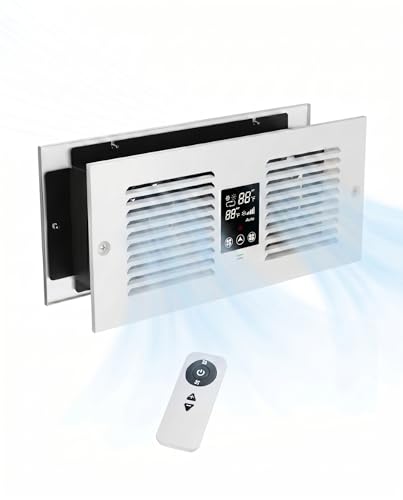
Best for flush installation and wall integration. The Apexicalo unit is designed for hardwired installation and supports wall thicknesses from 3.8″ to 7.4″. It delivers a robust 300 CFM airflow with dual 7-blade fans for balanced transfer between adjacent rooms. It also features a thermostat with a 35°F–99°F range and three modes (cooling, heating, continuous ventilation) that tailor airflow to seasonal needs. A practical limitation is the required electrical wiring, which may necessitate professional installation.
Who it’s for: Homes with existing wiring or builders looking for a flush, semi-permanent transfer solution that can support heating or cooling between rooms.
Windigaga 8″ Room to Room Air Transfer Fan
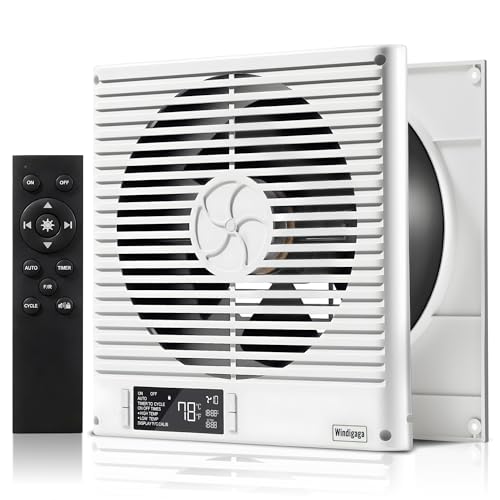
Best for remote-controlled convenience and quiet operation. This 8″ through-wall fan can move up to 320 CFM and includes a remote controlling power, speed levels, timer, and airflow direction from up to 32.8 feet. It uses a quiet DC motor with 10 adjustable speeds, delivering a balance of strong performance and low noise. The main caveat is that remote range can vary by obstacle placement, which may require positioning adjustments for optimal use.
Who it’s for: Users who prioritize flexibility and hands-free control, especially in living areas or bedrooms where silence matters.
ALORAIR 300 CFM Dual Fan Mini Transfer Vent
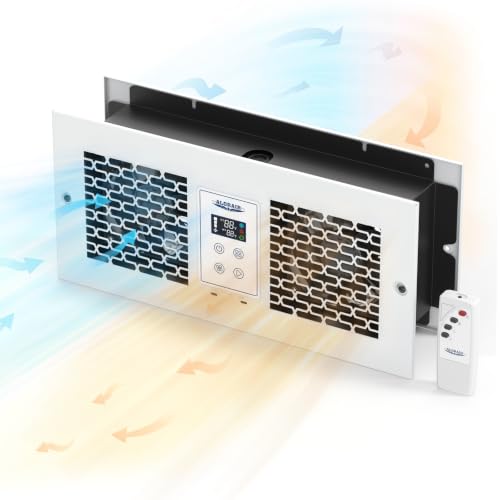
Best for year-round climate control in two rooms. The ALORAIR unit provides independent cooling and heating, functioning as a bidirectional air transfer system between connected spaces. With a built-in thermostat and three modes (cooling, heating, fan-only), it can evenly condition both rooms and adapt to seasonal needs. The 300 CFM dual 7-blade fans are designed to minimize noise while maintaining steady airflow. A caution is that it may require more space and power considerations due to its dual-function design.
Who it’s for: Homes seeking a two-room solution that can actively heat or cool air flow rather than just move air.
suplife Reversible 8″ Room to Room Fan

Best for reversible airflow and automatic temperature-based operation. This model offers a reversible airflow design with a temperature sensor that informs and drives automatic operation. It features 320 CFM airflow and a durable build, plus a two-button reversal mechanism for convenient direction changes. A potential limitation is that two-button reversal may require deliberate operation to avoid accidental changes during use.
Who it’s for: Households that need flexible air routing to balance two rooms with varying temperature dynamics, particularly where automatic responses are valued.
Buying Guide: How To Choose A Mini Split Transfer Fan
What room size and airflow do you need?
Airflow is typically measured in CFM. For moderate living spaces and kitchens, 300–320 CFM is common. Larger rooms may require higher airflow or multiple units. Consider whether you want one unit to transfer air between two rooms or a pair of units to balance multiple zones.
Hardwired vs. plug-in options
Plug-in units are generally easier to install and reposition. Hardwired models offer flush mounting and a neater look but require electrical work. If you’re renting, a plug-in model is usually preferable. For permanent installations, hardwired options can be more secure and discreet.
Thermostat control and modes
Thermostat-based control and modes (cooling, heating, fan-only) help maintain comfort with less manual adjustment. If you regularly need year-round balance between rooms, prioritize units with a built-in thermostat and multiple modes.
Remote control vs. manual operation
Remotes add convenience for living spaces and bedrooms. Range matters; verify the distance and whether walls or furniture hinder control. Some models include smart features or programmable timers for schedule-based comfort.
Noise level and motor type
Look for DC motors or EC motors for quieter operation and better energy efficiency. If you’re sensitive to sound, prioritize units described as quiet or designed for low dBA output. Noise varies by speed and mounting, so consider placement in bedrooms or study areas.
Durability and maintenance considerations
Durable frames and dust-resistant housings extend service life. Consider filter access, ease of cleaning, and the availability of spare parts. If you expect dusty environments, a robust frame and easy maintenance are valuable.
Frequently Asked Questions
- What is a mini split transfer fan? It is a through-wall fan that moves conditioned air between two adjacent rooms to balance temperature without changing the main HVAC system.
- How many rooms can one unit serve? Most designs transfer air between two rooms; multi-room setups may require multiple units or a central layout plan.
- Are these fans easy to install? Plug-in models are typically easier for DIY, while hardwired versions require electrical work and may need professional installation.
- Do these devices save energy? Yes, by equalizing temperatures between spaces, they can reduce HVAC strain, though exact savings depend on use and home layout.
- Is reversible airflow better? Reversible airflow helps balance temps when one room tends to be warmer or cooler, but ensure your layout supports two-way movement effectively.
- Do they require maintenance? Regularly clean filters and inspect ducts or vents to maintain airflow and efficiency.