There are many inline booster fans designed to improve heating, cooling, and overall air distribution in homes. This guide highlights five reliable options and explains who each one is best for. Whether you’re boosting airflow for a drafty upstairs bedroom, a grow tent, or a busy kitchen vent, these picks help stabilize temperature and reduce hot or cold spots. The table below offers a quick snapshot of the top contenders.
| Product | Brand | Approximate Airflow (CFM) | Best For |
|---|---|---|---|
| Tjernlund DB-2 Duct Booster | Tjernlund | 275 | Small to medium ducts, fast boosting of heating/cooling power |
| Hon&Guan 4 Inch Inline Booster | Hon&Guan | 130 | Quiet, compact boost for bathrooms, closets, or compact spaces |
| Hisummer Register Booster Fan (4×10) | Hisummer | 150 | Quiet operation for bedrooms and nurseries, temperature-focused control |
| Hon&Guan 6 Inch Inline Booster | Hon&Guan | 345 | Higher airflow for larger spaces or multiple vents |
| KHEOED Built-in Register Booster Fan | KHEOED | varies by setting | Smart, temperature-sensing operation for whole-house use |
Tjernlund DB-2 Duct Booster: 275 CFM For 5–8 Inch Round or Shallow Rectangular Ducts
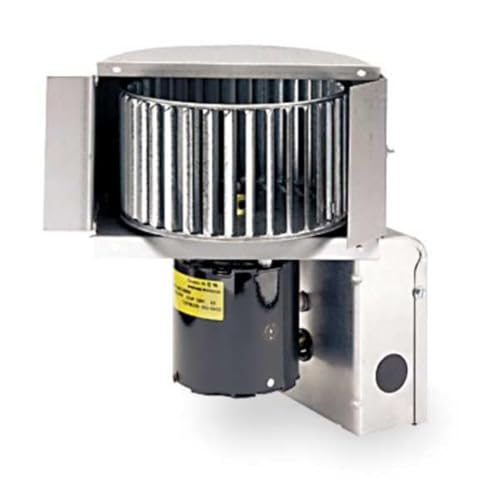
The Tjernlund DB-2 Duct Booster adds up to 275 CFM to your heating or cooling system. It fits round ducts from 5 to 8 inches and can also work with shallow rectangular duct openings as small as 3.25 inches. The unit is rated for up to 200F, making it suitable for typical residential HVAC runs that require a reliable airflow boost. Best for homeowners who need a straightforward retrofit in limited duct space and want a compact, fixed-output booster to increase overall system performance.
Who this is best for: small-to-medium duct runs where you need a consistent, mid-range boost without advanced controls. This option is a solid choice when you want a simple installation with dependable, steady airflow.
Caution: Ensure duct dimensions and air temperature are within the manufacturer’s rating to prevent motor strain or heat-related wear.
Hon&Guan 4 Inch Inline Booster Duct Fan With Speed Controller

This 4-inch inline booster moves up to 130 CFM and runs on a low 6W, featuring a speed controller for adjustable airflow. It’s designed for quiet operation, making it suitable for bathrooms, kitchens, grow rooms, basements, and other spaces where you want to boost ventilation without adding noticeable noise. Best for small rooms or closets where a compact, energy-efficient booster is preferred.
Who this is best for: users seeking a compact, energy-efficient boost with adjustable speed for noise-sensitive environments. This is a good fit for smaller bathrooms or rooms that require enhanced ventilation without high energy use.
Limitation: The airflow is modest compared to larger diameter boosters, so consider higher-CFM models for bigger rooms or long duct runs.
Hisummer Register Booster Fan For 4×10 Vents

The Hisummer booster is designed for 4 x 10 floor vent openings with up to 150 CFM. It emphasizes quiet operation—down to as low as 17 dB in sleep mode—supported by PWM motor control, dual bearings, and balanced blades. A notable feature is smart temperature sensing that adjusts fan speed based on the room’s needs, reducing energy usage while improving comfort. Best for bedrooms, nurseries, and other spaces where sleep and quiet are priorities.
Who this is best for: households prioritizing near-silent operation and room-temperature-aware performance, particularly in upstairs bedrooms or kid’s rooms.
Caution: Install with attention to vent alignment; improper placement can reduce effectiveness and lead to uneven airflow distribution.
Hon&Guan 6 Inch Inline Booster Duct Fan

This larger 6-inch booster delivers up to 345 CFM at 19.2W, combining higher airflow with low energy use. It is designed for quiet operation and is suitable for boosting air in grow rooms, bathrooms, kitchens, basements, attics, or other larger spaces where a stronger airflow boost is needed to balance temperatures across multiple zones. Best for expanding airflow where a single 4-inch unit cannot deliver sufficient pressure.
Who this is best for: homeowners with larger rooms or multi-vent networks that require a robust airflow boost while keeping energy costs reasonable.
Limitation: Higher airflow can introduce more noise potential; pairing with a controller or speed settings can help manage sound in sensitive spaces.
KHEOED Built-in Register Booster Fan With Smart Control

The KHEOED unit is designed for 4×10 vents with smart temperature sensing and 10-speed settings. It supports remote control and precise temperature management, aiming to improve overall HVAC efficiency. It’s targeted at households seeking a more intelligent, temperature-aware approach to air distribution, with installation compatible for ceiling, floor, or wall vent openings. Best for tech-forward homes that want automated airflow adjustments.
Who this is best for: buyers seeking smart control and remote operation to balance temperatures across a whole house or multiple rooms. This option suits users who value automation and adjustable airflow across seasons.
Warning: Smart features rely on sensor accuracy; verify placement to ensure the sensor reads representative room temperature for best results.
KimFilter 4×10 Register Booster Fan With Remote

The KimFilter 4×10 booster is designed to boost airflow across 4×10 vents with 1–10 speed levels and three operating modes. It comes with a remote and built-in controls for quick adjustments. The design focuses on balancing temperature across rooms while keeping noise low. Best for users who want flexible control and multiple modes to tailor comfort year-round.
Who this is best for: busy homes seeking flexible, remote-controlled airflow with mode options for summer, winter, and consistent ventilation. This is a solid pick for rooms that require regular, adjustable airflow patterns.
Limitation: As with many 4×10 boosters, extremely long duct runs may reduce overall effectiveness; consider multiple units for large homes.’
Buying Guide: Key Considerations For Choosing A Duct Booster
- Airflow needs: Match CFM to your room size and duct dimensions. Higher CFM is better for large rooms or long ducts, while smaller spaces benefit from compact models with adjustable speed.
- Duct compatibility: Confirm vent diameter (4″, 5″, 6″, etc.) and whether the unit supports round or rectangular ducts to avoid installation issues.
- Noise levels: For bedrooms, nurseries, and quiet zones, prioritize units with low dB ratings or sleep modes. Some boosters emphasize silent operation with specialized motor design.
- Control options: Look for manual speed control, remote control, or smart temperature sensing. Smart models auto-adjust airflow based on room temperature.
- Installation and maintenance: Check blade material, housing durability, and whether mounting is suitable for floors, ceilings, or walls. Easy maintenance features are a plus.
- Energy efficiency: Units with DC motors or energy-efficient designs reduce running costs, especially in spaces needing continuous air movement.
- Safety and ratings: Ensure the unit is rated for typical HVAC temperatures and is installed per local codes and safety guidelines.
Frequently Asked Questions
- What is a duct booster fan used for?
A duct booster fan increases airflow through ducts to improve heating, cooling, and overall air distribution in homes, basements, or rooms with poor air circulation.
- How do I choose the right CFM for my space?
Multiply the room’s square footage by a target air changes per hour (ACH) to estimate needed CFM, then adjust for duct length and resistance.
- Are smart booster fans worth it?
Smart boosters can optimize energy use and comfort by automatically adjusting airflow based on room temperature, which is beneficial in homes with varying occupancy.
- Can booster fans be loud?
Yes, higher airflow models may produce more noise. Look for low-noise designs or sleep modes if noise is a concern.
- Where should I install a booster fan?
Install near the end of a duct run or in a vent location where additional airflow is needed. Follow manufacturer mounting guidelines for optimal performance.
- Do cooling and heating require different booster settings?
Yes. For cooling, you may want faster airflow to distribute cooler air; for heating, gentler or staged airflow can help prevent drafts.