Looking for surge protection that specifically guards air conditioners and related HVAC components? This guide compares five top options to help you choose the best HVAC surge protector for reliability, safety, and longevity. Ideal buyers include homeowners protecting mini-splits and central units, contractors equipping outdoor setups, and property managers seeking durable, weather-ready solutions.
Summary table of selected products:
| Product | Best For | Key Benefit | Protection Type |
|---|---|---|---|
| Intermatic AG3000 | Outdoor or indoor HVAC systems | Thermally protected MOV tech for robust surge suppression | Three modes (L-G, L-L, L-N); Type 4X enclosure |
| Zuomeng HVAC Surge Protector | Rugged outdoor setups | 20kA surge absorption; 3 protection modes | IP65 rating; dual LED indicators |
| UNIREACH AG3000 | Whole-house protection | TPMOV tech with LED status | Three modes; watertight enclosure |
| YUKGAMS AG3000 | Mini-split and central systems | Comprehensive protection with TPMOV | Three modes; Type 4X enclosure |
| GIDEON Refrigerator/AC Protector | High-demand appliances | Under/over-voltage protection; 3-minute delay | UL-listed materials; 140J or higher variants |
Intermatic AG3000 120/240 VAC Universal HVAC Surge Protector
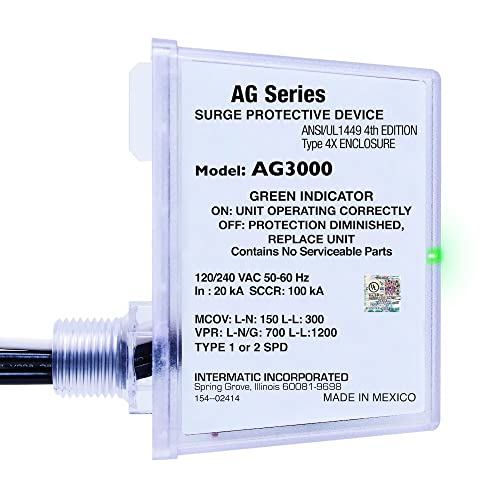
The Intermatic AG3000 provides comprehensive three-mode protection—L-G, L-L, and L-N—designed to shield HVAC equipment and household devices from power surges. Its Thermally Protected Metal Oxide Varistor (TPMOV) technology reduces failure risks associated with traditional MOVs, delivering reliable surge suppression. The Type 4X watertight enclosure supports indoor and outdoor installations, ensuring durability against the elements. Best for buyers needing durable, all-weather protection for central or outdoor HVAC systems. Limitation: installation outdoors requires proper enclosure sealing and adherence to local electrical codes.
CCCEI Heavy Duty Power Strip Surge Protector
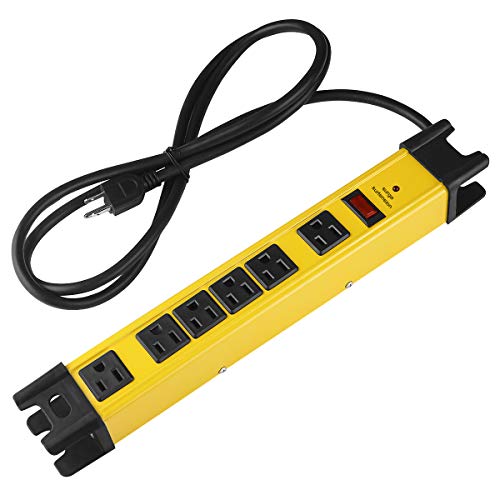
While not exclusively HVAC-focused, the CCCEI unit is built for heavy-duty use in garages and workshops with six outlets and robust 15A protection. It is best for users who need multiple outlets with surge protection near a shop environment or utility area where tools and small HVAC accessories are used. It’s less ideal as the primary HVAC surge protector for outdoor units, due to its general-purpose design and enclosure specifics.
Zuomeng 120/240VAC HVAC Surge Protector

Zuomeng’s device targets HVAC systems with up to 20kA surge absorption and a three-mode protection (L-G, L-L, L-N). It also features an IP65 waterproof rating and flame-retardant materials. Best for harsh weather environments or outdoor installations where rain and heat exposure are concerns. The built-in dual LED indicators help monitor status. Limitation: installation should be performed by qualified personnel to ensure proper wiring configuration and safety compliance.
UNIREACH AG3000 HVAC Surge Protector 120/240V

UNIREACH offers a whole-house style protectant with three protection modes and TPMOV technology, specifically designed to safeguard appliances such as air conditioners, furnaces, and mini-splits. The LED indicator allows quick status checks, and the Type 4X enclosure ensures weather resistance. Best for homeowners seeking integrated protection across multiple home devices. Limitation: check compatibility with existing HVAC wiring and ensure proper mounting to maximize efficiency.
YUKGAMS AG3000 HVAC Surge Protector

YUKGAMS AG3000 is designed for mini-split and central systems, featuring three protection modes and TPMOV technology for reliable surge suppression. Its Type 4X enclosure adds UV resistance and water resistance, making it suitable for outdoor or harsh indoor environments. Best for homeowners with outdoor AC units or integrated mini-splits who require durable protection. Limitation: ensure correct wiring and rating alignment with the specific HVAC system to avoid nuisance tripping.
Buying Guide: How To Choose The Right HVAC Surge Protector
- Protection Modes: Look for units offering L-G, L-L, and L-N protection. Three modes provide comprehensive coverage for line-to-ground, line-to-line, and line-to-neutral surges.
- Technology Type: TPMOV or thermally protected MOV tech reduces failure risks during surges. This feature adds an extra safety margin for long-term reliability.
- Enclosure and Placement: A Type 4X enclosure is preferred for outdoor protection against moisture, UV exposure, and dust. Consider IP ratings for harsh environments.
- Load and Current Rating: Ensure the device supports your HVAC system’s amperage (often 15A or 20A). Higher load ratings are better for central or multi-device setups.
- Indication and Monitoring: LED indicators help you quickly verify that surge protection is active, minimizing downtime and confusion after weather events.
- Whole-House vs Individual: Whole-house protectors (covering multiple appliances) suit centralized protection goals, while individual units suit targeted protection for one HVAC component.
- Weather and Installation: Outdoor applications demand watertight, UV-resistant housings and proper mounting. Indoor units should be placed near service panels or main power supplies.
- Safety and Compliance: Confirm UL listing, local electrical code compliance, and professional installation requirements to ensure safety and warranty validity.
Frequently Asked Questions
- Do I need a surge protector specifically for my air conditioner? Yes, especially for outdoor units or mini-splits, to guard compressors, motors, and controls from lightning surges and voltage spikes.
- What does TPMOV stand for? Thermally Protected Metal Oxide Varistor, which enhances safety and surge suppression reliability.
- Can I install HVAC surge protectors myself? Installation usually requires electrical knowledge. For outdoor use or high-voltage configurations, consider professional installation to ensure safety and code compliance.
- Is a whole-house surge protector better than device-level protectors? Whole-house protectors offer broad protection across multiple appliances, while device-level protectors provide targeted, localized protection for specific HVAC components.
- What should I check before buying? Check protection modes, enclosure rating, surge absorption (amps), and compatibility with your HVAC system’s voltage (120/240V) and wiring.
- How can I monitor protection status? LED indicators or status lights on the protector provide quick at-a-glance confirmation of protection status.