The best thermostat you can control from your phone combines reliable Wi‑Fi connectivity, energy savings, and easy setup for typical homes. This guide highlights five popular smart thermostats that work with mobile apps, voice assistants, and home networks. It helps you choose based on installation ease, compatibility, and energy savings. The featured models suit different buyers: DIYers seeking straightforward setups, households looking for energy rebates, and users who want strong geofencing and remote control.
| Product | Brand | Best For | Notes |
|---|---|---|---|
| Sensi Smart Thermostat, ST55 | Sensi | Energy-conscious users who want straightforward DIY install | ENERGY STAR; often does not require C-wire |
| Sensi Lite Smart Thermostat, ST25 | Sensi | Budget-minded DIY installers needing simple setup | Energy Star; C-wire may be required on some systems |
| Amazon Smart Thermostat | Amazon | Alexa-centric homes seeking easy rebates and Ring integration | C-wire required |
| ecobee Smart Thermostat Essential | ecobee | Broad compatibility and long-term software updates | Energy Star; compatibility checker recommended |
| Google Nest Thermostat | Smart home ecosystems with strong energy saving features | Works without a C-wire in many setups |
Sensi Smart Thermostat, ST55 — Wi‑Fi, DIY

The Sensi ST55 is a Wi‑Fi smart thermostat designed for easy DIY installation. It highlights privacy protections, flexible scheduling, and remote access. It is ENERGY STAR certified and may not require a C-wire in most common setups, making it a strong pick for homeowners seeking simple installation and measurable energy savings.
Best for: Homeowners who want a straightforward, privacy-conscious thermostat with reliable app control and energy savings.
Why selected: Strong DIY installation flow, broad HVAC compatibility, and energy‑saving features.
Note: In some systems, a C-wire may still be beneficial for stable power delivery.
Sensi Lite Smart Thermostat, ST25 — WiFi

The Sensi Lite ST25 offers a compact, budget-friendly option with DIY installation and remote access. It may require a C-wire on heat pump or heat/cool systems, but often works with existing wiring for typical cooling or heating setups. It remains ENERGY STAR certified with scheduling and usage reports for ongoing energy awareness.
Best for: Budget-conscious buyers who still want smart control and energy reporting.
Why selected: Simple setup and strong energy-savings options, with a lighter feature set for fewer potential installation constraints.
Limitations: C-wire requirements vary by system, so check compatibility before purchase.
Amazon Smart Thermostat

The Amazon Smart Thermostat focuses on Alexa and Ring compatibility, offering easy voice control and presence-based adjustments. It emphasizes potential energy rebates after purchase. It requires a C-wire, which helps consistent power delivery for smart features and reliability.
Best for: Homes already using Alexa or Ring devices seeking simple integration and potential rebates.
Choose this if: You want seamless voice control and do not mind configuring a C-wire installation.
Limitations: Requires C-wire on many systems; rebates vary by region and energy provider.
ecobee Smart Thermostat Essential

The ecobee Essential emphasizes broad system compatibility with a color touchscreen and optional room sensors for improved comfort. It is ENERGY STAR certified, offers scheduling, and provides free software upgrades to extend feature life. It is suitable for users who want robust app control and ongoing updates.
Best for: Homes seeking strong compatibility with different HVAC setups and ongoing software improvements.
Why selected: Solid energy‑saving features and an intuitive interface with long‑term software support.
Limitations: System compatibility should be verified, especially for non-standard configurations.
Google Nest Thermostat
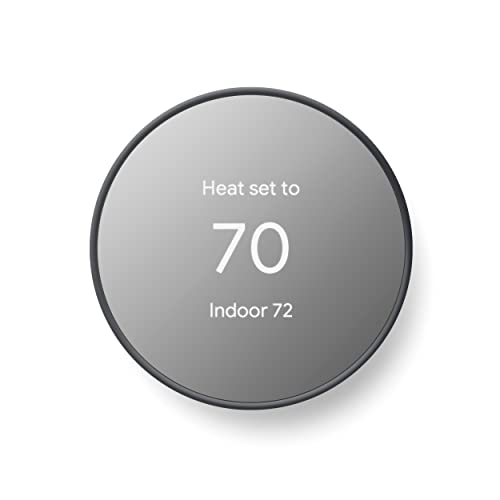
The Nest Thermostat is designed to integrate with Google home ecosystems while offering energy-saving features and Wi‑Fi connectivity. It can operate without a C-wire in many homes, though some systems may require one or a power accessory. It emphasizes automated learning to optimize comfort and efficiency.
Best for: Google‑centric homes seeking strong automation and cross‑device integration.
Why selected: Reliable energy savings and seamless integration with Google ecosystems; adaptable wiring options.
Limitations: Some systems still benefit from a C-wire or compatible power accessory for consistent operation.
Buying Guide
Key considerations help compare these phone-controlled thermostats. Start by checking compatibility with your HVAC system, including C-wire requirements and heat pump support. Consider how you prefer to interact: app control, voice assistants, or geofencing features.
- Installation ease: For DIY installers, models like Sensi ST55 and ST25 offer guided setup and built‑in leveling. If you want hands-off installation, ensure your wiring supports a C-wire or supports flexible power options.
- Energy savings: Look for ENERGY STAR certification and features such as scheduling, geofencing, and remote access. These drive long‑term utility savings.
- Smart home compatibility: If you use Alexa, Google Assistant, or Ring, pick a thermostat with native support for those ecosystems to minimize friction and maximize automation potential.
- Software updates: Some brands offer ongoing updates for feature improvements. Consider ecobee Essential for broad compatibility and future-proofing.
- Pricing and rebates: After-purchase rebates can offset costs; check your energy provider’s rebates and integration with your existing smart home devices.
FAQ
- Do these thermostats require a C-wire? Many models can operate without a C-wire in some systems, but a C-wire is often recommended for consistent power. Verify your HVAC wiring before purchase.
- Which thermostat is best for Alexa users? The Amazon Smart Thermostat is designed for deep Alexa integration, but Sensi and Google Nest also offer strong voice assistant support depending on your setup.
- Can these thermostats save energy? Yes. ENERGY STAR certified models with scheduling, geofencing, and remote access typically save energy by optimizing heating and cooling based on occupancy and routines.
- Are these hard to install for beginners? Most listed models emphasize DIY installation with built‑in levels and guided apps. Some wiring constraints may require a pro for complex systems.
- How do I check compatibility? Use each manufacturer’s online compatibility checker or support page to confirm HVAC system compatibility and wiring needs.
- Do these thermostats support heat pumps? Several models support heat pumps, but check the product page for heat‑pump compatibility and any required accessories.